Carton & Co
Many materials in the world of cosplay are not super accessible... because galley found, used, or just out of our means! Let's discover together the happiness of cardboard
What you need
- *Cutter1
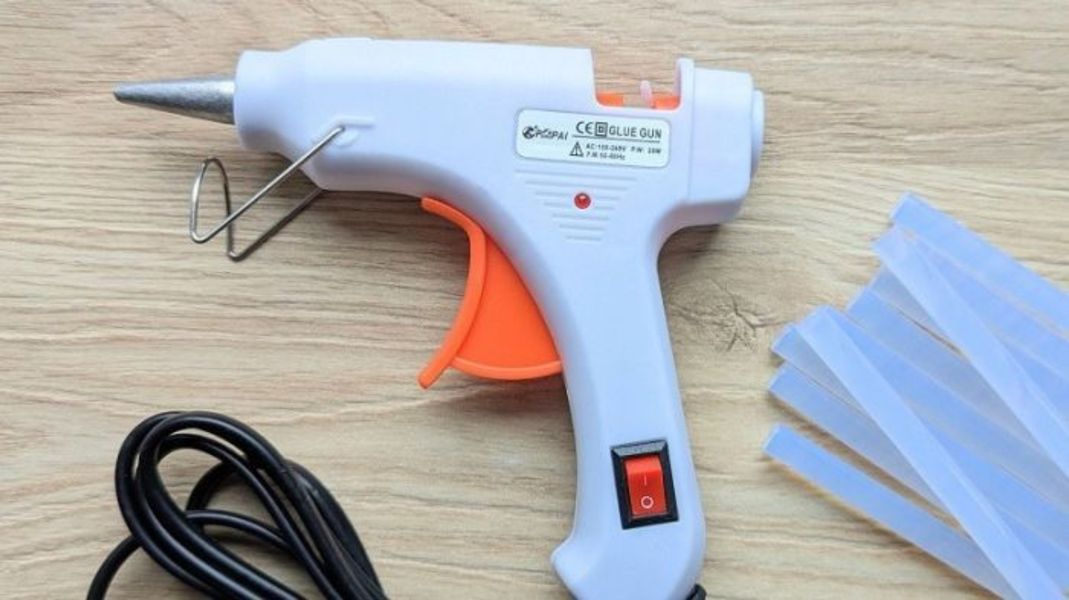
- *Hot glue (pistolet)
- *What to write down
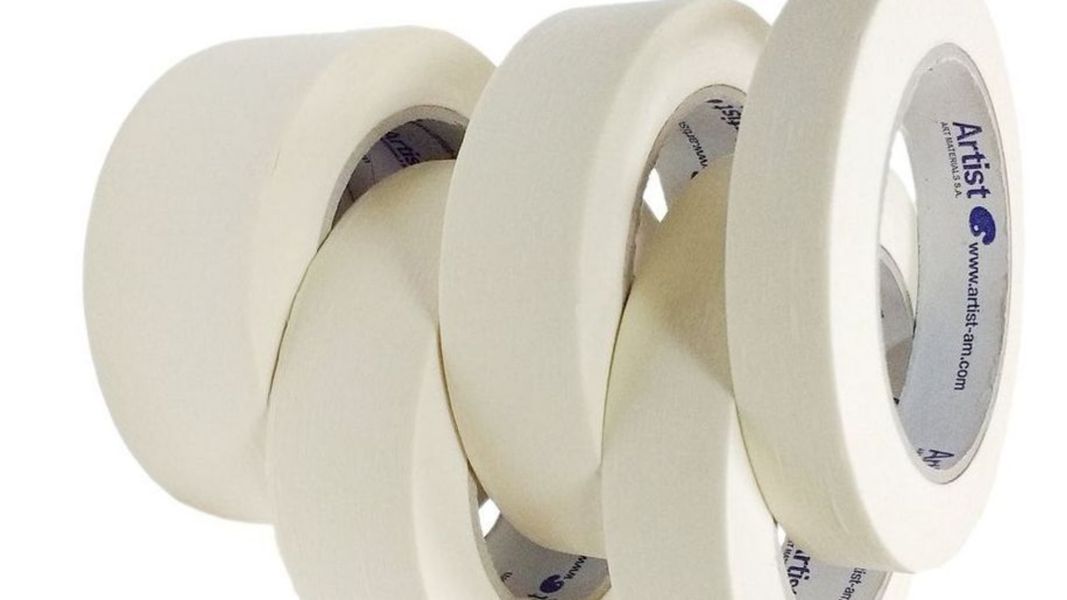
- *Masking Tape
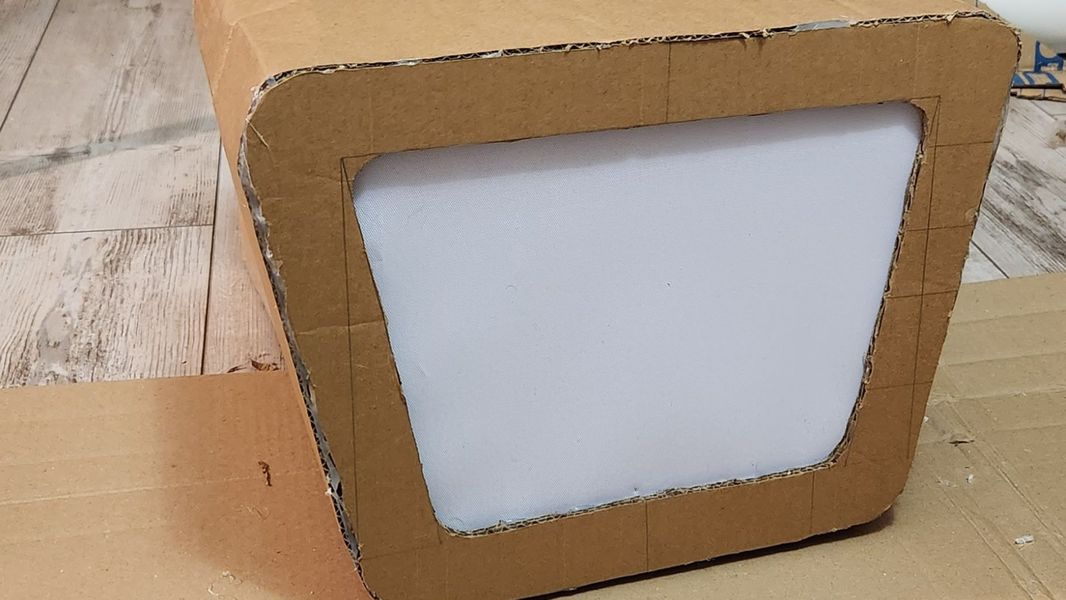
- *Cardboard
- Painting
Steps
Cardboard: a broad question
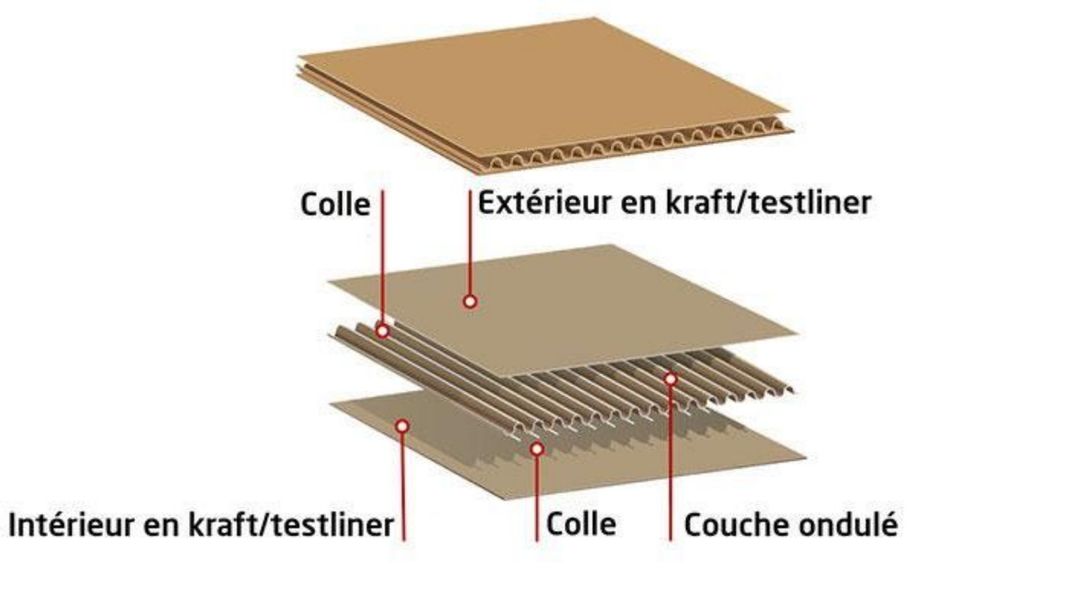
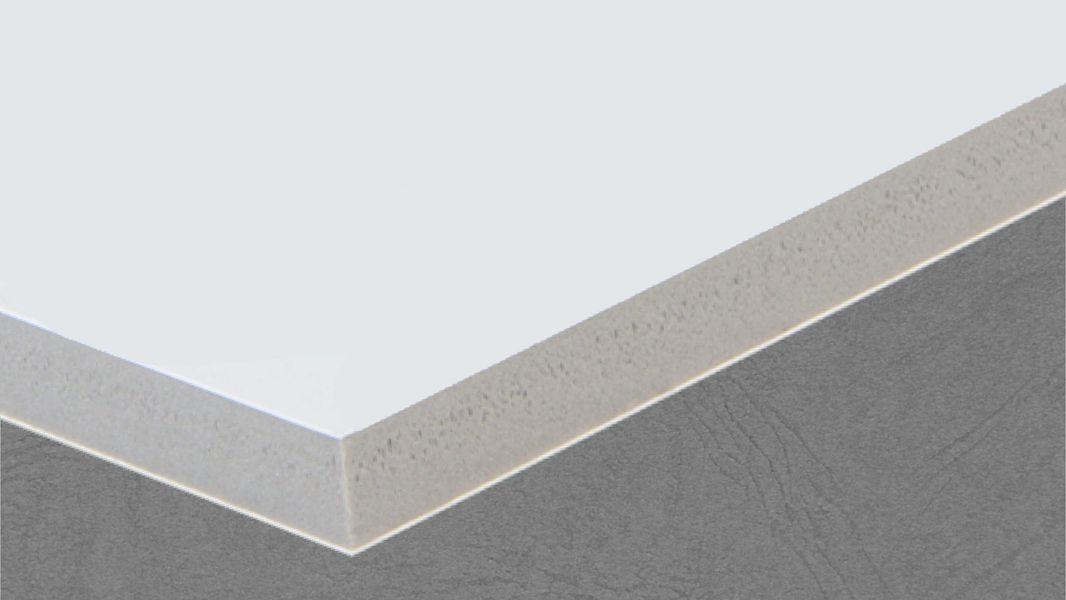
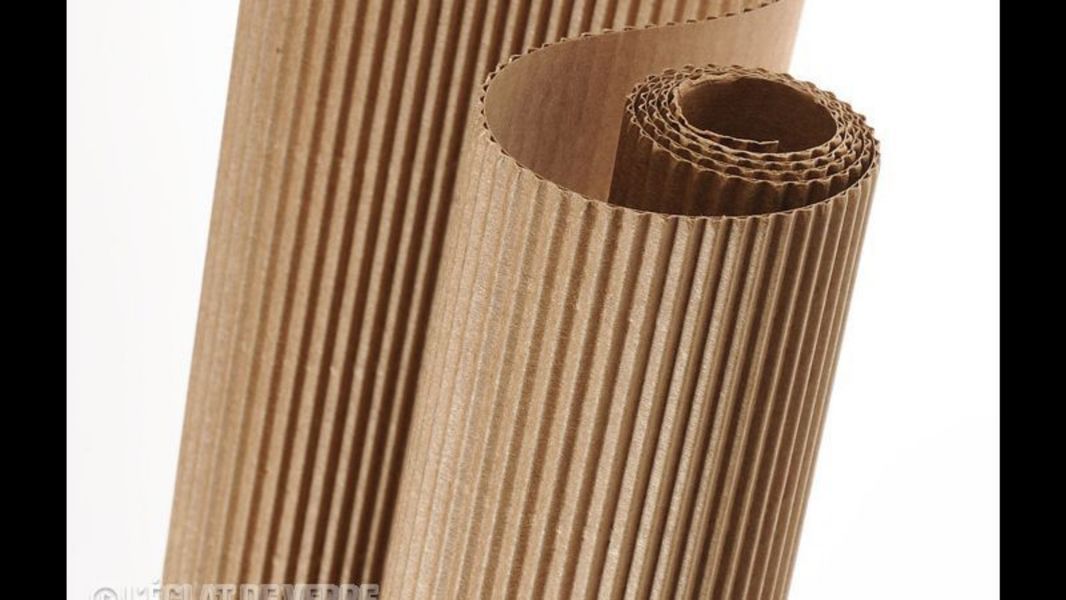
Cardboard is vast as a material... So depending on your project, it's good to know which board to use! First, let us look at how a piece of cardboard is made (see Photo 1): Two layers of agglomerated paper (kraft) separated by a corrugated layer. And it's the same for ALL types of cardboard! Then there are several types of cardboard: - classic cardboard (the one found in shoe boxes for example) - featherboard (see Photo 2) - corrugated cardboard (see Photo 3)Choose the right card
As said before, depending on the project, each carton has some utility... 1- The classic cardboard: End: useful for details, or make rounded bases! Thick: Perfect for making solid foundations! Unmanable: since it is made of several layers, do not hesitate to undo it to recover its different parts. 2- The feather card. Very strong and light, perfect for making basics. - plastic coatings: galley for color - inside foam: do not tear it at the risk of throwing it everywhere.. not great for breathing. 3- Corrugated cardboard: Practical for details. Looks a lot like classic paper, but more resistant once relaxed. .Working on the subject
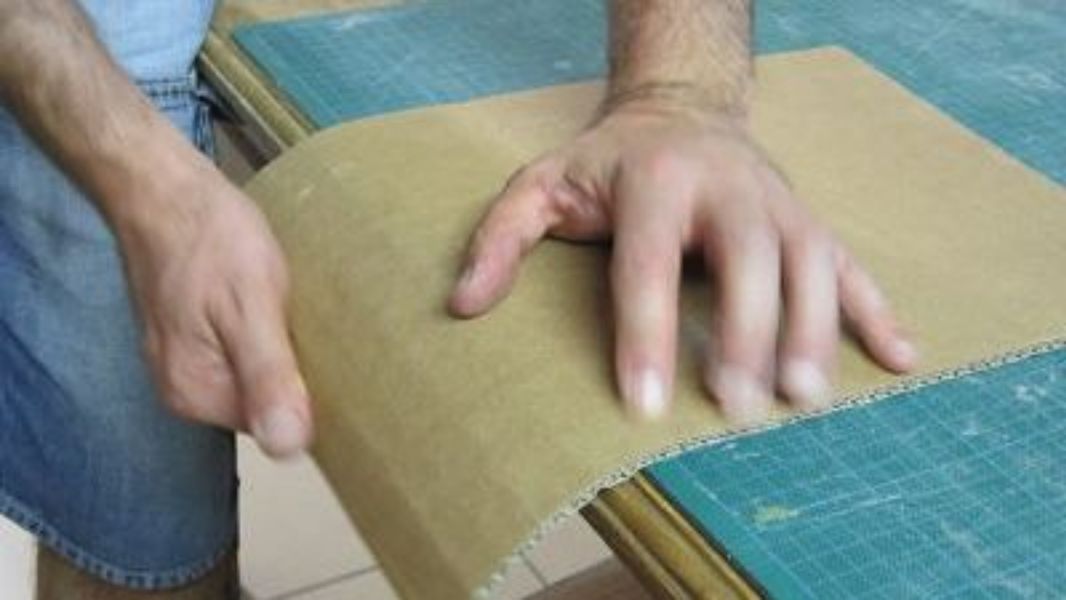
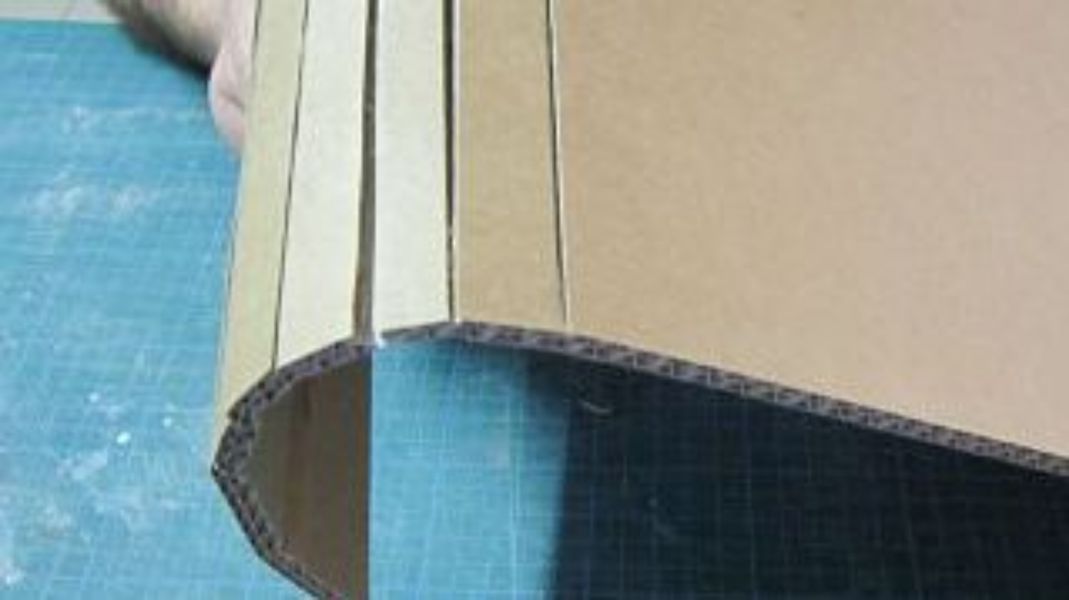
Some simple and useful manipulations: 1- Courber (see Photo 1) A table edge, or your thigh, with a cardboard not too thick, you can bend it. Very convenient for pieces of armor for example! 2- Strier (see Photo 2) When your cardboard is too thick, I recommend that you make strilles with the cutter! This will allow you to better manipulate it; convenient to bend it, or bend it more easily.Good material (speech of a ball)
Cardboard is paper, and paper is rather "aggressive" against blades! Be prepared! - cutter/scalpel blades in rab - a good pair of scissors Cutting right cardboard isn't a big deal, especially if it's thick... Use a metal ruler. It will prevent you from cutting your rule (plastic) and that it is no longer straight... expert speech on the subject :') In general, when you use cardboard, it's to make large pieces... have a big ruler or a meter measuring... it will prevent you from carrying with your little rapporteur a length of 70cm...Collage
Arm yourself with patience and glue, and we're gone! Hot glue will be your best friend! Don't let it go. Anyway, we won't see it at the end (normally). Be careful, some stick glues are of poor quality, don't take the first price... otherwise you risk that the glue won't stick... even when it's dry, and that it gets off the surface. Mix yourself with tube glue (UHU is the most quali I find): it will be very useful for the details.Own
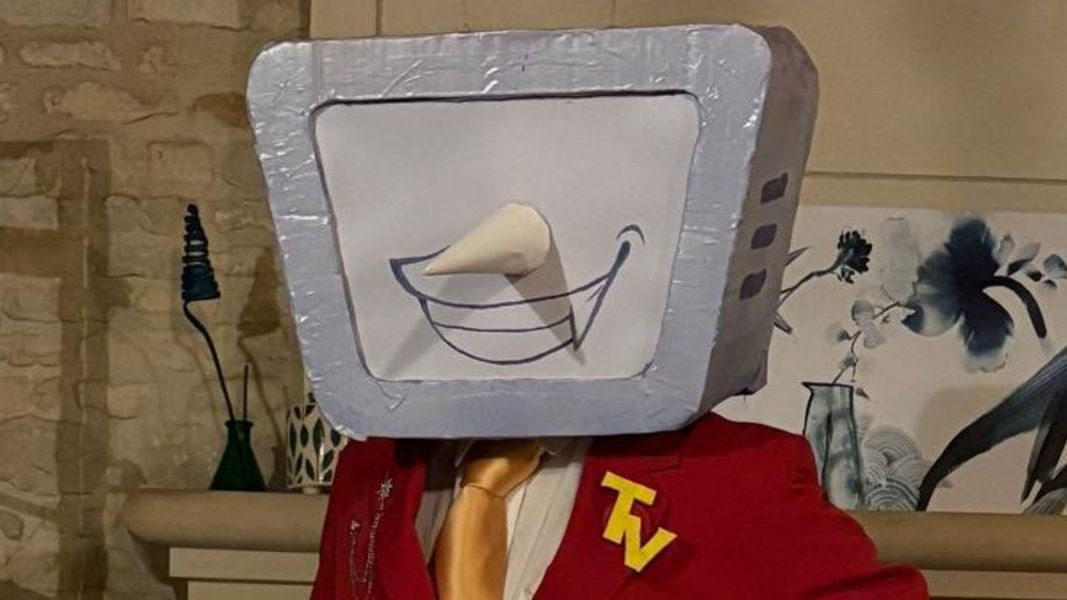
Admit that you have finished the structure of your object (e.g. this beautiful Ant Tenna head, Photo 2). Get some masking tape, and we're gone to clean it up! For the masking tape, be careful to take with a paper and non-plastic coating! In general it is a little rough under the fingers, and beige. You can easily find them in DIY store, or creativity store (Cultura etc...) With the tape, remove all borders: this will allow you to "lick" your object. > you can also use girl or foam clay if you have more means... the rendering will be cleaner if you master the thing... but it's not my case, so I still recommend the tape.Painting (color)
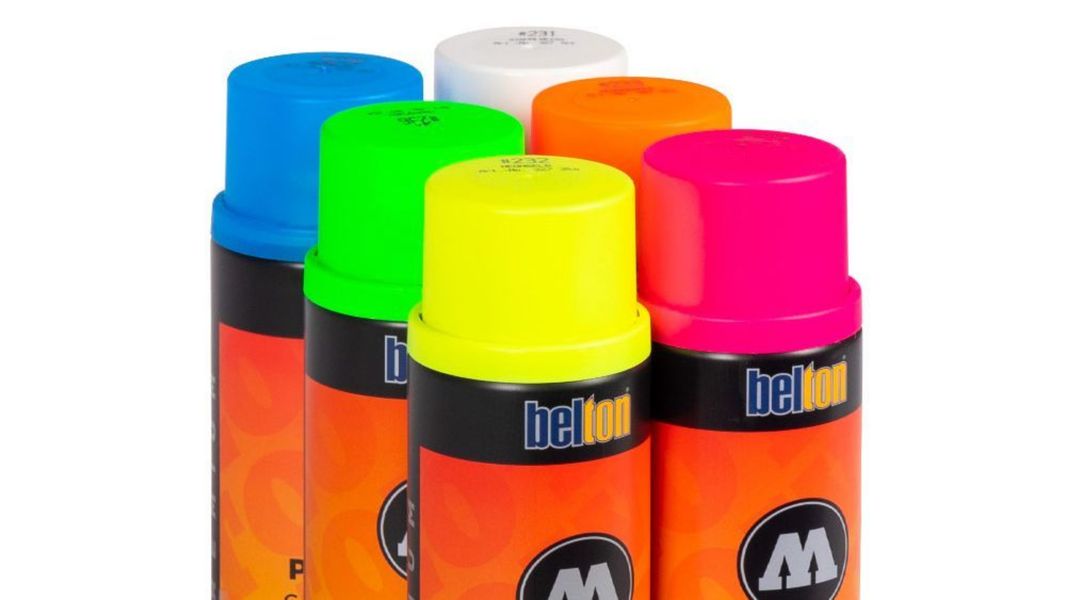
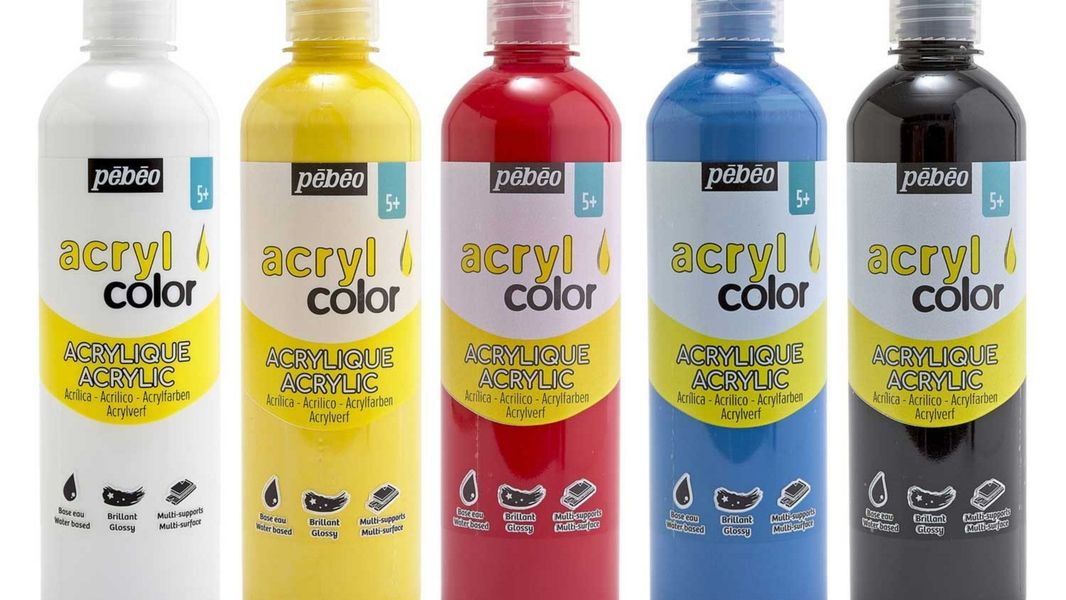
The advantage of cardboard and masking tape is that it's a piece of paper, so you can use more or less any paint to make your color! Nevertheless, especially for large parts, I recommend that you use bomb paintings. > I recommend Molotows paint bombs, at about 5,99€ (unitary), the paint is of good quality and covering. > is acrylic, so it will hold in time. I recommend always using acrylic in all cases. It holds best in time, and your colors will be brighter. If you have the flemme to make mixtures, in store it is quite simple to find colors all made.Painting : matos
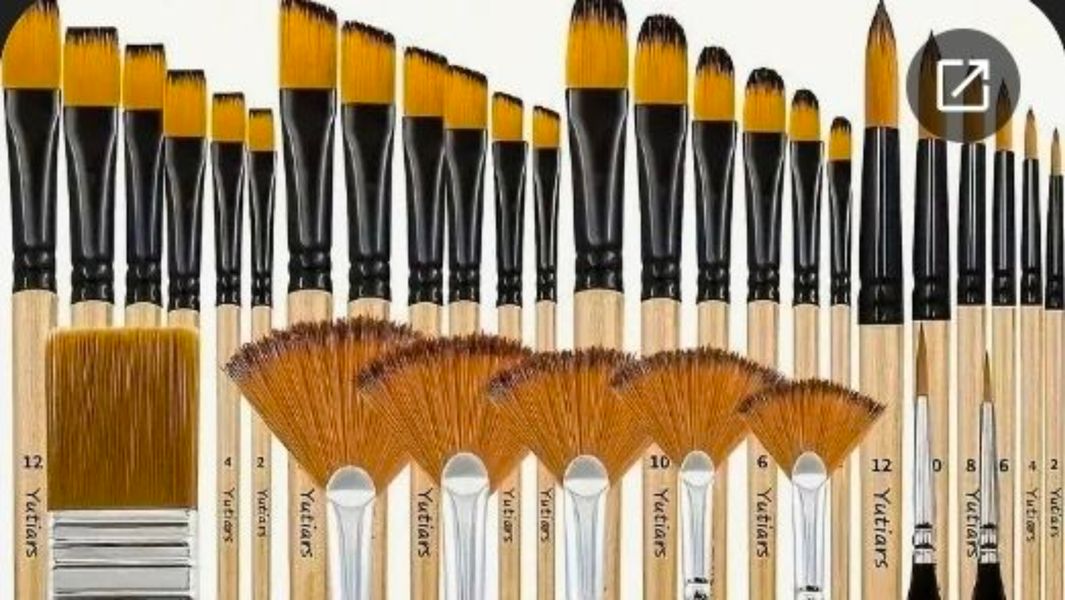
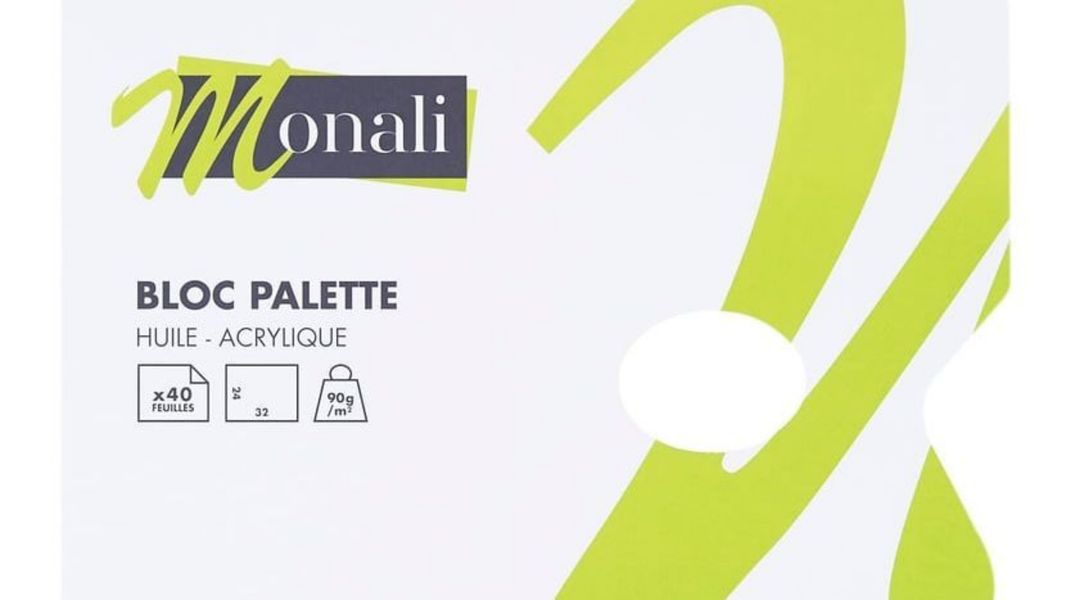
The color is good, but do you have to have suitable material... Some recommendations: - paint bombs: for large areas - masking tape (several different sizes): to define areas >>> do not hesitate to first stick and take off your tap on jeans or other stuffy fabrics to remove glue from your tape... this will avoid when you remove it from destroying all your work. >>> use a hair dryer to remove the tape if necessary. - SYNTHETIC brushes: take an assortment of brushes and brushes, perfect for details or filling smaller areas. - paint knife (plastic, cheap): allows to mix your paints without breaking your brushes... you will thank me... - disposable pallet: we all have the flemme to clean our pallet... take a pallet with disposable sheet, no more cleaning (outside the brushes). About 10€ the 40th pallet at Cultura.Be careful
Cardboard, however, does not forgive. It can quickly be ugly if you don't take the time to make the right measurements. Don't hesitate to make plans and measurements before you start... Brainstorm on us, huh? Have a notebook, pens and other felts always to carry... it can help you! Making the right measurements in advance will save you crazy time! Of course, it will always be time to adjust your project in the long run, but this will avoid some silly mistakes that will eventually complicate the task for collage.Make the details
To make details (in relief), do not hesitate to use paper or fine cardboard! Easy to cut and do whatever you want, you can do almost anything. Moreover, as mentioned above, the cardboard is paper; So to paste details, using tube glue is often enough!Experience!
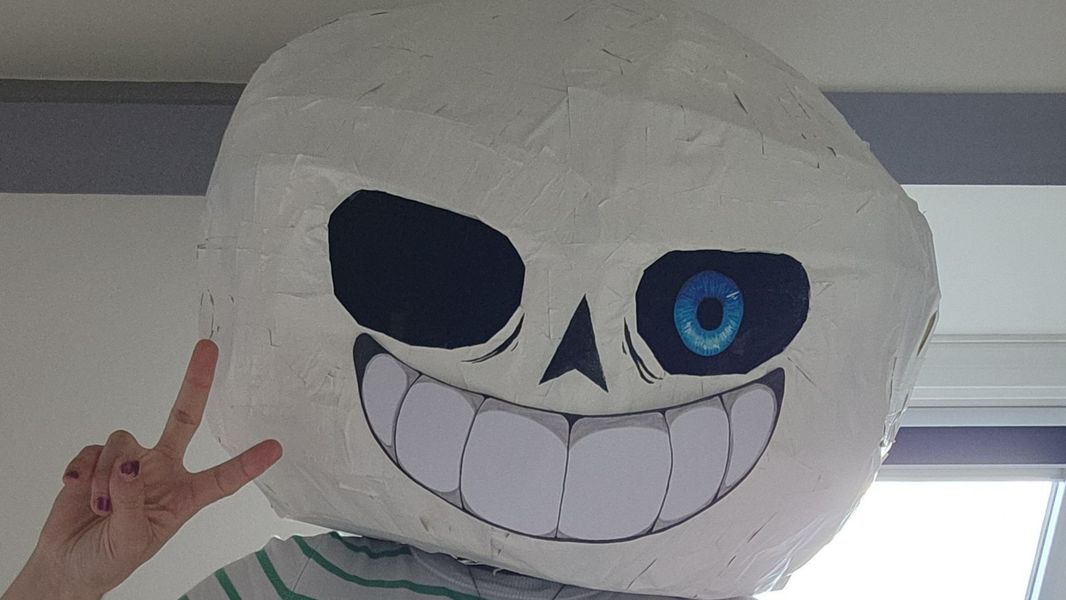
Be curious! Cardboard is a great material, which has plenty of possibilities! Of course, you'll have failures... at first your first items will not be beautiful... I can assure you. See for yourself, see the second photo... my first real cosplay :') With training and patience, you can do nice things! !Ecolo and radin
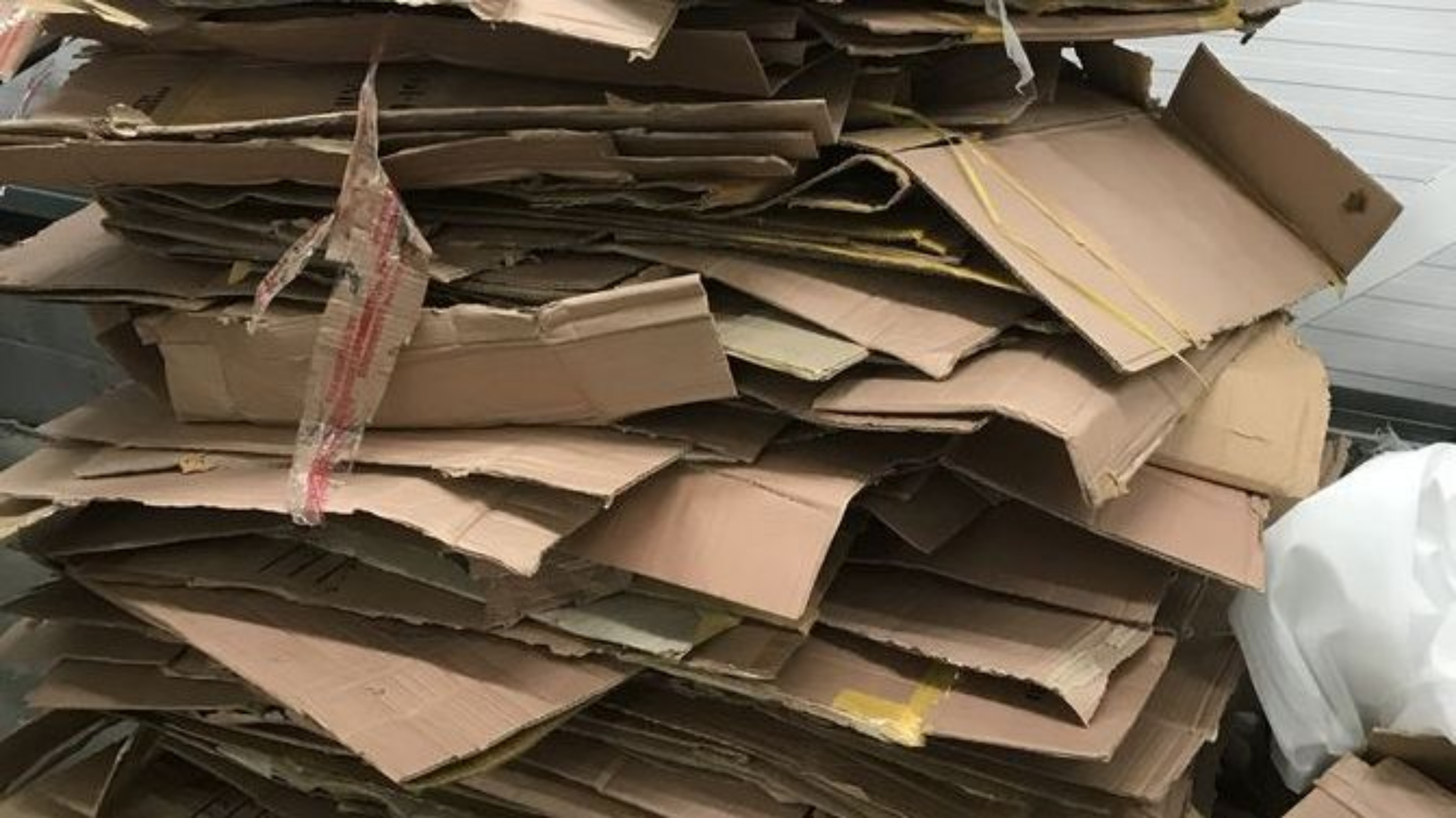
Finally to convince you, a few ecological arguments (and pliers): - Easy to have: by your parcels, at work, in shops to get rid of it... = free - You do a good thing: recycling a material you would have thrown into the trash otherwise. On painting: Use acrylic for everything basics and large surfaces. But if not, I recommend the gouache for details! Often cheaper because to consider as children's paint, it is also healthier for the environment by its composition. Acrylic is plastic (that's why it fits well), while gouache is based on water and classic pigments. Conclusion: Being poor can help you be cooler for your planet. And even if it's not much, it's better than nothing!