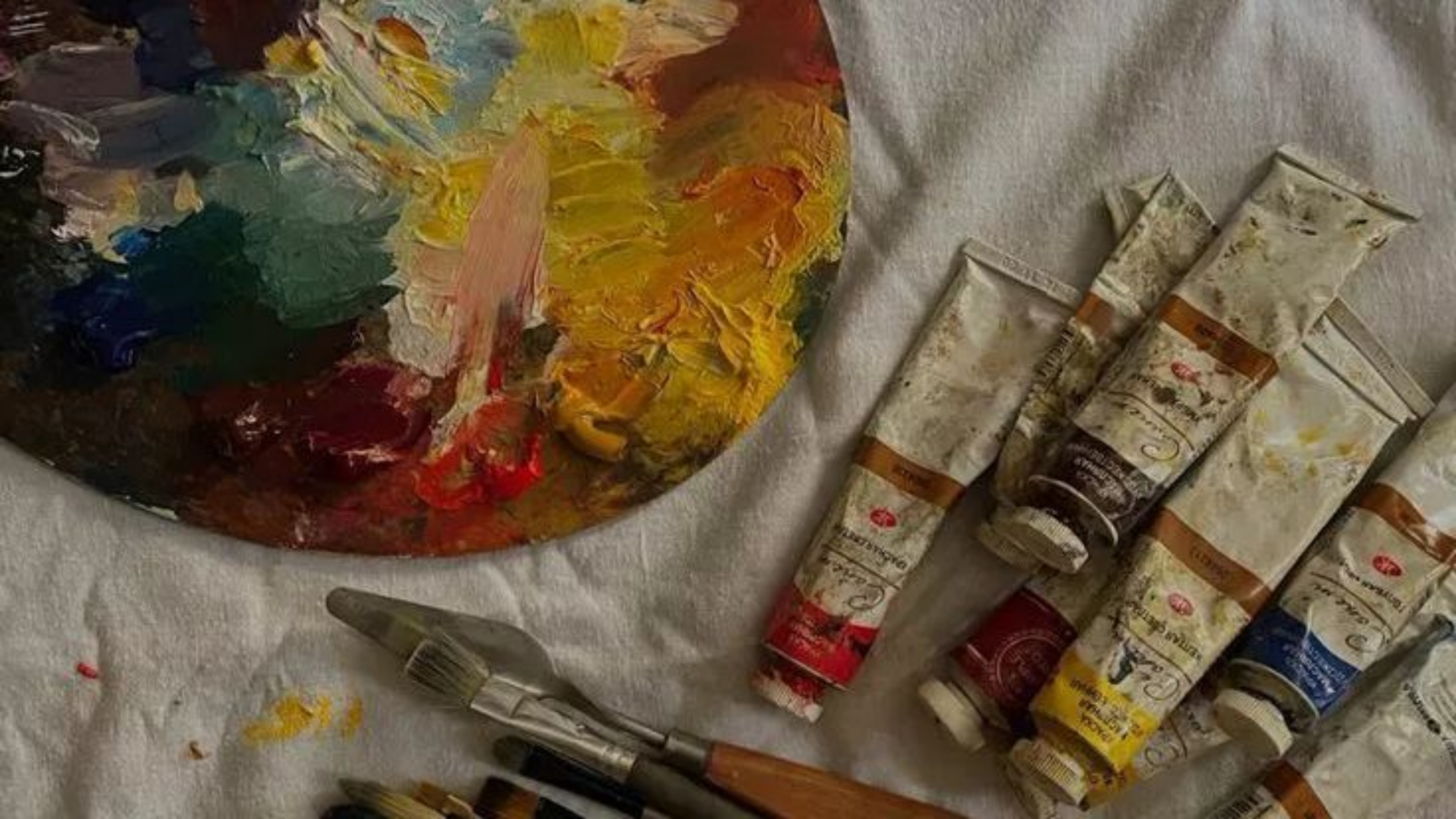
Painting: the world of color
Cosplay ready? Almost. More than the color. Rayayay the hell painting a little... right? Here's a "little" guide to help you make your best painting!
Depending on the paint you use, be careful about your business! Some cannot be removed from the tissue! If you use aerosols (painting bomb): PROTECT YOUR POUMONS! Have masks...
What you need
- *Brushes
- *Brushes
- Palette
- Toothbrush
- *Primary colour paints
- Fixed
- *Paint knife1
- *Water2
- *Sacrificeable shirt/tub
- *Sponge
Steps
The different types of paint : Pro and Cons
In all, there are three types of paint. That's it. Each has different advantages and disadvantages; So here they are! The acrylic: Pro: - exists in a lot of colors already ready. - hold well in time - gets on almost every surface - dry quickly Con: - made of plastic. - takes off the plastic. - expensive. - dry quickly Gouache: Pro: - cheap - easy to use - water painting - found in big cans Con: - often of poor quality - does not adhere to all surfaces - slowly dry so badly used. Oil painting: We won't use it... too long to dry... unless you have six months ahead of you, and paint skills at all times!Types of paint part.2
Each of the two paintings has different specificities and uses. And they are adapted more or less to certain mediums (how to apply). So, to be sure that you choose the right painting, we will go into the specifics of gouache and acrylic!Acrylic
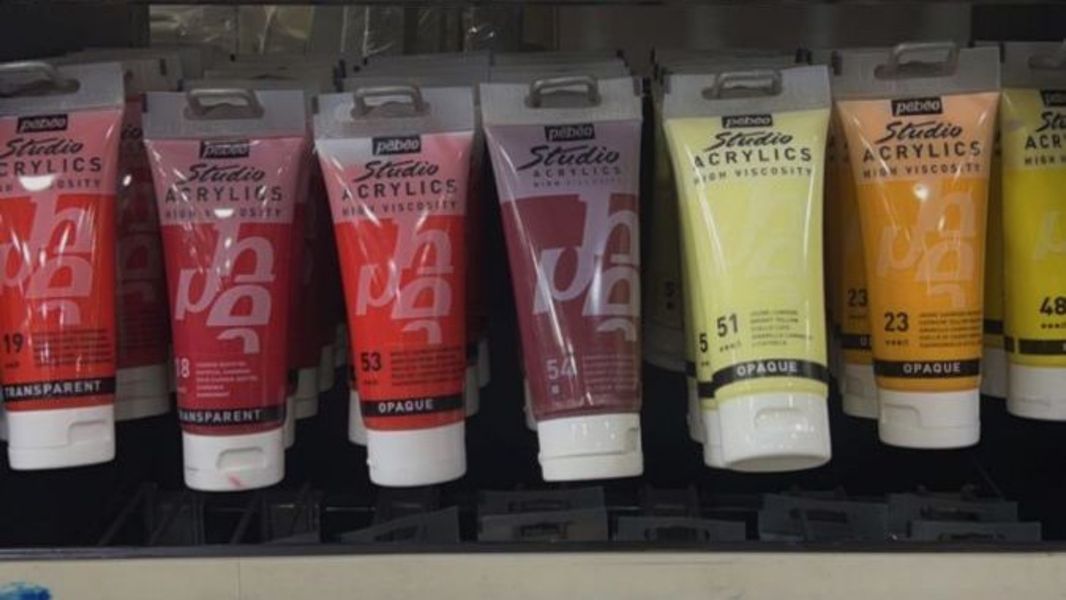
Acrylic is often the most used painting in the world of craftsmanship. And while I don't like to use it so much, I have to tell you about it. Acrylic is a plastic base: this is what gives a glossy side even when dry. It is also because of this that pigments deteriorate less over time. This plastic base allows a great versatility: you can work it as a classic paint (pins, brushes, rollers...), but also in bombs, airbrush etc.. Where can we find acrylic? - in paint bombs (aerosol) - in airbrush paint - in textile paint - in acrylic marketers. But a big disadvantage for acrylic is its primary colour range. The pigments are not exactly the same as in a "classic" painting, they are often not of the right colour... and it becomes a hell to create its own colors.Acrylics part2.
This is why, in the trade, pre-made tubes/pots are often found. Obviously, on these bases, you can make your own colors, but it will never be as perfect as if you leave the primary colors. In addition, it forces you to have many different colors that can cost candy after a while. If you like acrylic, I advise you to take the one from Pébeo... the same for textile painting! They are of good quality and not too expensive. As far as paint bombs are concerned: the base: the Molotows bombsGouache
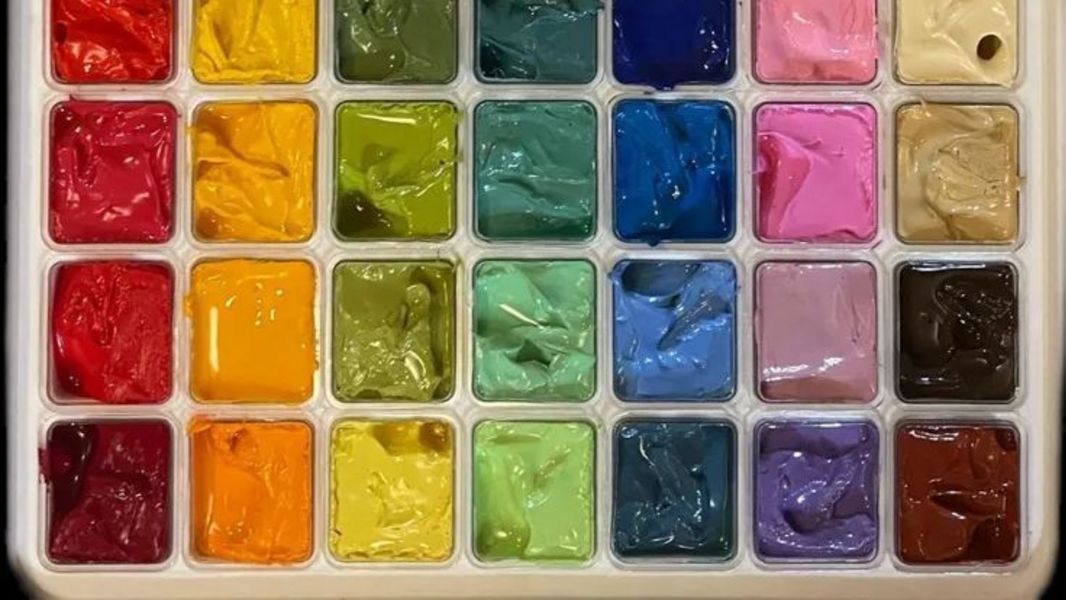
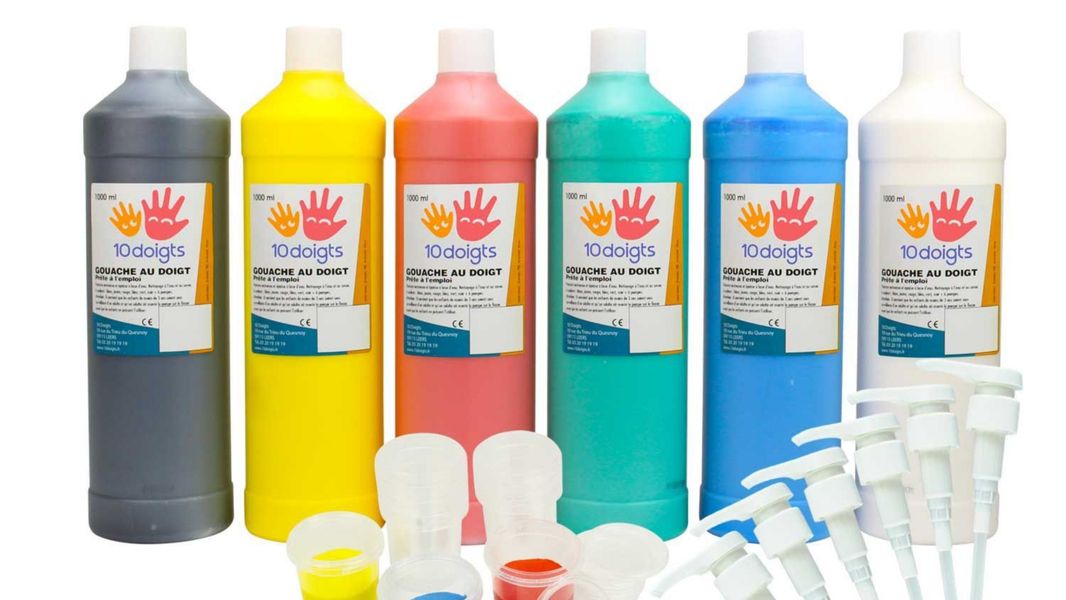
The gouache is the "child painting". Personally, it's the one I use the most, especially as it suits my working methods. The gouache is a "classic" water painting. She gets close to watercolour in her pigments. The advantage of his "classical" paintings is the strength of their pigments, and therefore a perfect maneuverability to create your colors. Also, it is cheap! Since gouache is considered "for kids" paint, you can easily make big pots. Still, I recommend the gouache of Lefranc Bourgeois, of very good quality with powerful pigments! However, being a water painting, after drying, you will have a matte finish, even if you are sticking. And being watery, superimposed colors can be complicated... water reactive very quickly paint. So if you put wet paint on dry, they might mix. Use with knife, brush, brushes..Personal opinions
Personally, almost all my cosplay is made of cardboard. (Btw, go read my card guide if you're interested in it.) So, for the vast majority of the time, I'm using gouache since it looks perfectly cardboard (paper). I'm trying to avoid acrylic. 1. Because it's looking for my mouth :'))) 2. It's plastic, and it fills water. (J Best I can do, even if it's not much) Nevertheless, I still use it.Equipment
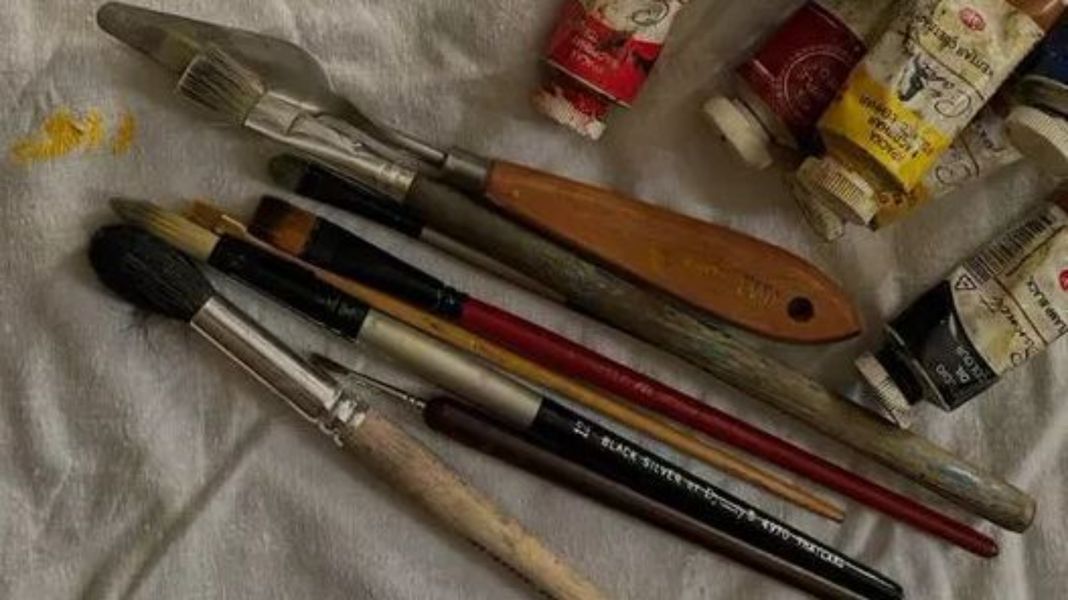
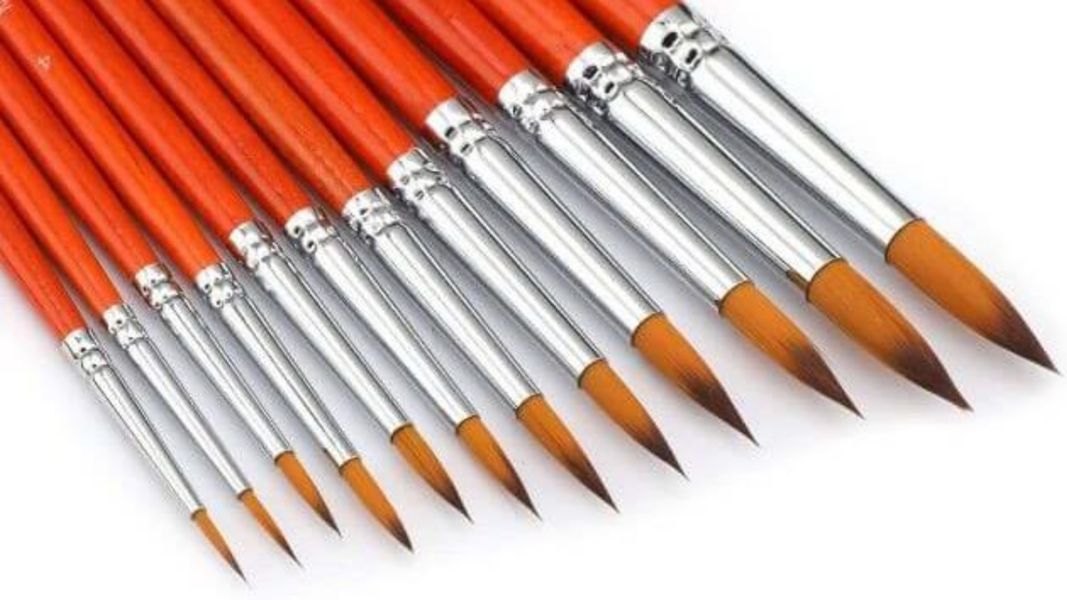
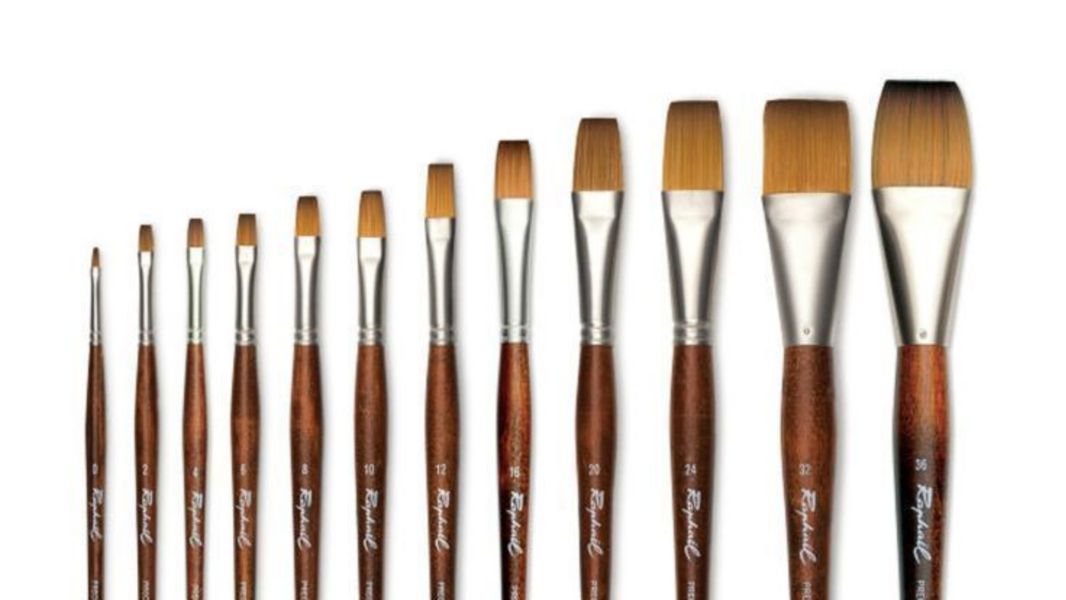
Knowing things about paintings is good. We must be able to use it! Here is a non-exhaustive list of what you will need: - brushes (see photo 2) - brushes brushes (see Photo 3) - paint knife (to mix your colors without breaking your brushes) - disposable pallet (for gouache) - plastic pallet (for acrylics, textile paint...: you can loot over layers.. it is satisfactory) - a rag! (Or any sacrificial fabric, personal I have an old sock) - water jars (two: one for warm colors, one for cold colors). And patience... a lot of patience. And if you're impatient: a hairdryerTheory of color
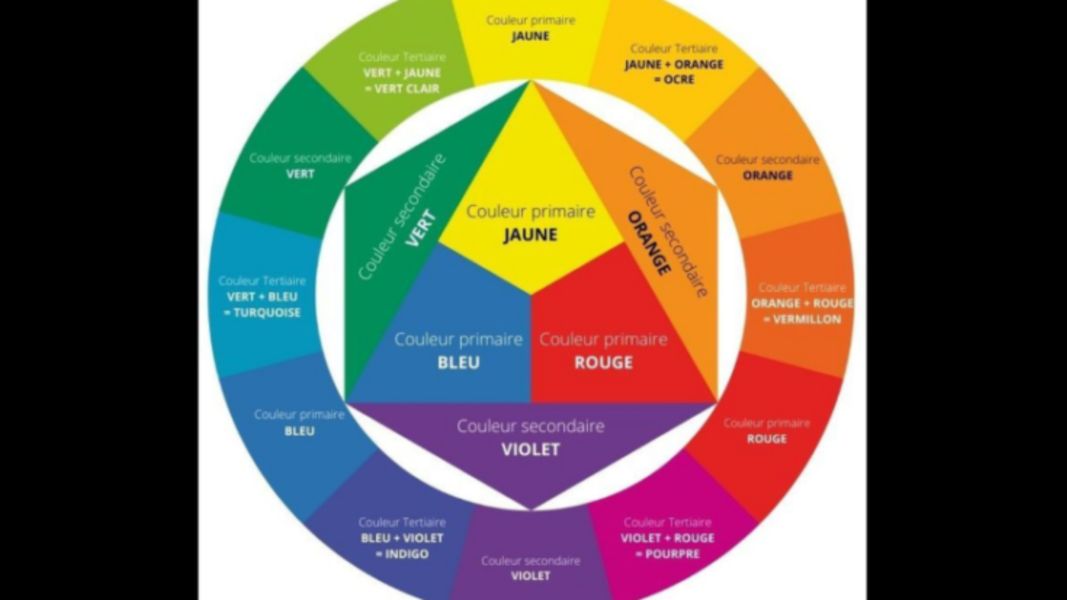
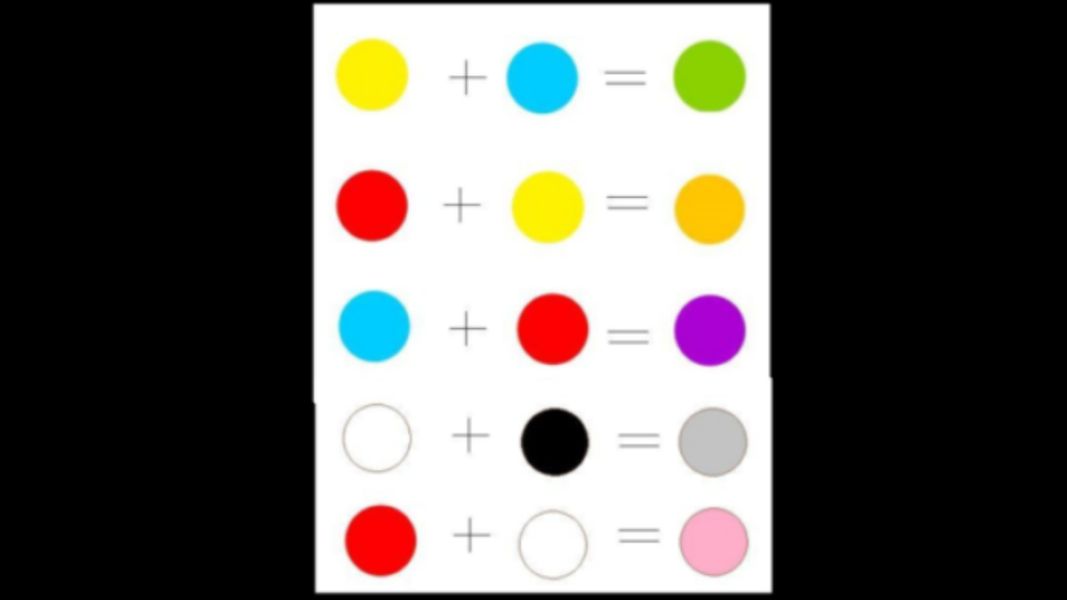
Oh, I know, now you're saying, "Help, that's the demon." But don't worry... I'm a pro, let me guide you... Most important: Complementary: - Yellow violet - Magenta-green - Cyan orange. Base mixes between primary colours: - Yellow + blue = green - Magenta + Yellow = orange - Cyan + Magenta = purple - Cyan + Magenta + Yellow = brown. Once you know that, you know how to do everything. To learn, done with gouache or watercolor... simpler than acrylic in generalSome tips mix color
- The extras allow dark without de-saturating the color. - To make a beautiful brown, first make an orange, then add to the FUR AND MEASURE of the cyan. And once you find it quite dark, gently add magenta. - To de-saturate a color: put black or white. The white will de-saturate and lighten. The black will de-saturate and go. (Yes, the rose is de-saturated magenta) - To make a beautiful pink: magenta + white + a very small dose of yellow. - To make beautiful beiges: magenta + yellow + small doses of white. - to exercise your eye to color blends, I recommend you go to Dialed.gg or Colorfle!Matos: What use?
Each tool has its own use. Let's explore the different possibilities: Brushes and brushes: Of very different sizes, it is perfect for details, or filling on parts not too big. Roll: To make filling, it gives a texture a little sponge to your paint, especially if there is little water. Paint shell: for VERY large surfaces or hard to access areas. Knife: for mixing, but also to create textures in relief (especially with acrylic). Toothbrush: with plenty of water in it, you can make your best splashes! (Recommended gouache)Preservation of the color
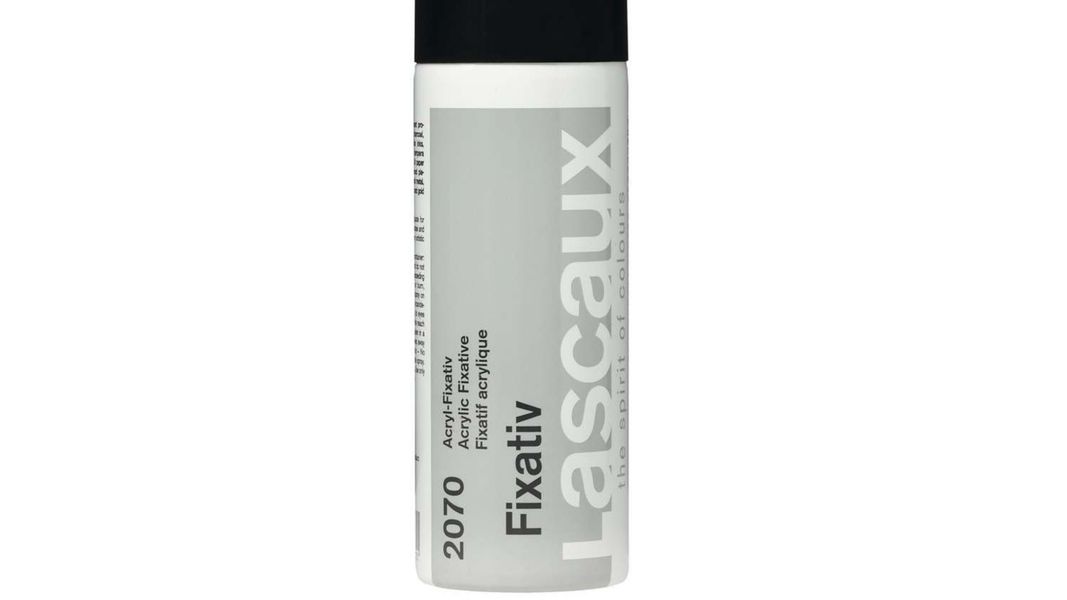
In any case, with exposure to light, pigments will weaken... So, it's good to have some fixed to protect them from UV! For acrylic, there are fixed bombs. Be careful to take acrylic fixative... and not fixative for dry techniques . For the gouache, there's really no solution... except to pray the holy spirit... But if a glossy look does not bother you, after the paint is well dried, you can varnish the paint with UV nail varnish. It works very well, and it doesn't damage the color! And it will stabilize the color in the long term. Personally, I had my UV lamp and varnish at Normal, for a total of 12€.Cleaning
Well, we know, now all your stuff, work plan is DE.GUEU.LASSE So here are my tips: For brushes: clean as quickly as possible. With hot water (not too much, you don't burn your fingers, eh), and with some Marseille soap. For pallets: the disposable pallet is the future... no cleaning, straight to the pub! Otherwise, for other pallets; If it is made of plastic with acrylic in it, you can remove it by taking off the dried (satisfactory) paint. Otherwise, same method as brushes. Your table: have a small sponge that you soak in the clear water, and wipe... and a stroke of cloth, and we're good. Clothing: Gouache, it's going to the machine, trkl. Acrylic... erhm, good luck. Untie your garment as quickly as possible. Otherwise, you'll have a task forever. Otherwise, the Mama is an incredible source of information on the subject. And if it's spray paint or textile paint: amen.In short..
Anyway, experiment. If you never do anything, you'll never progress. Have fun! Thank you for taking the time to read this introduction to painting and color, hoping it will be useful!