Couture & ClothingMedium
Sense of the fabric and errors not to be made.
Steps
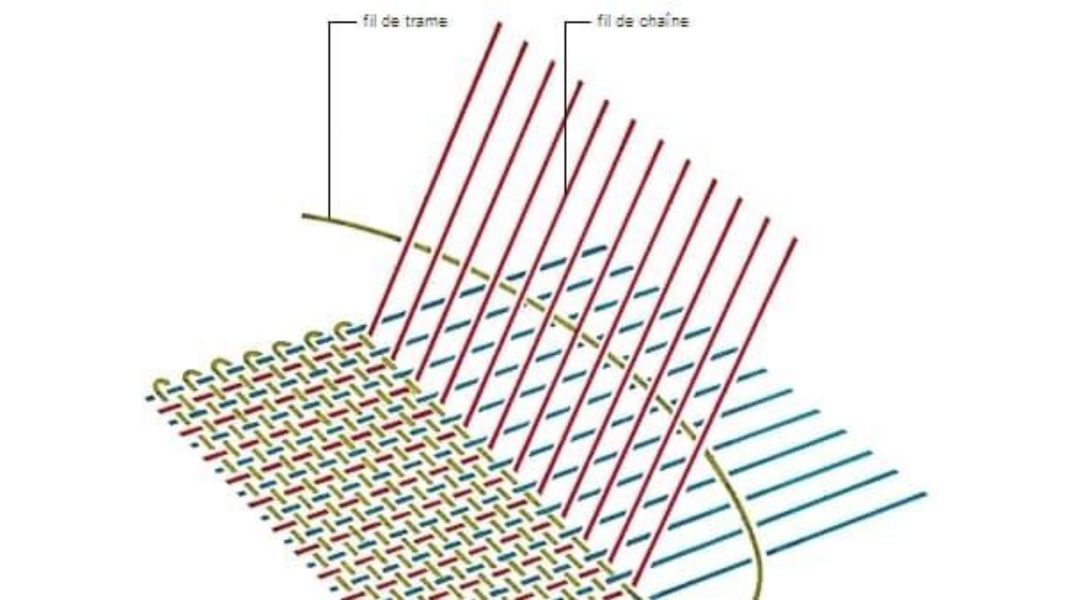
Manufacture of a classic fabric
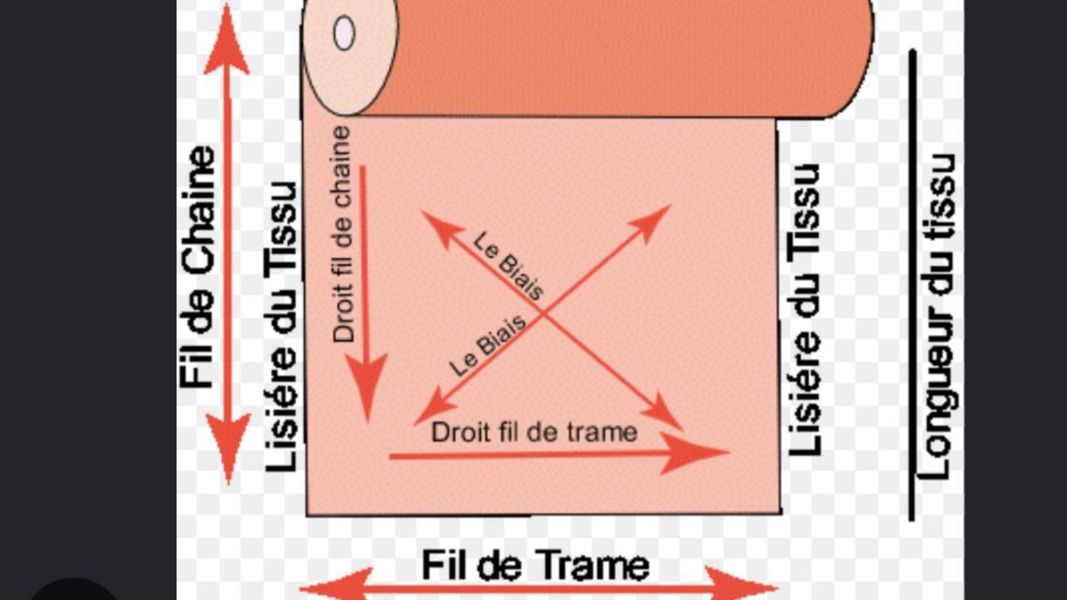
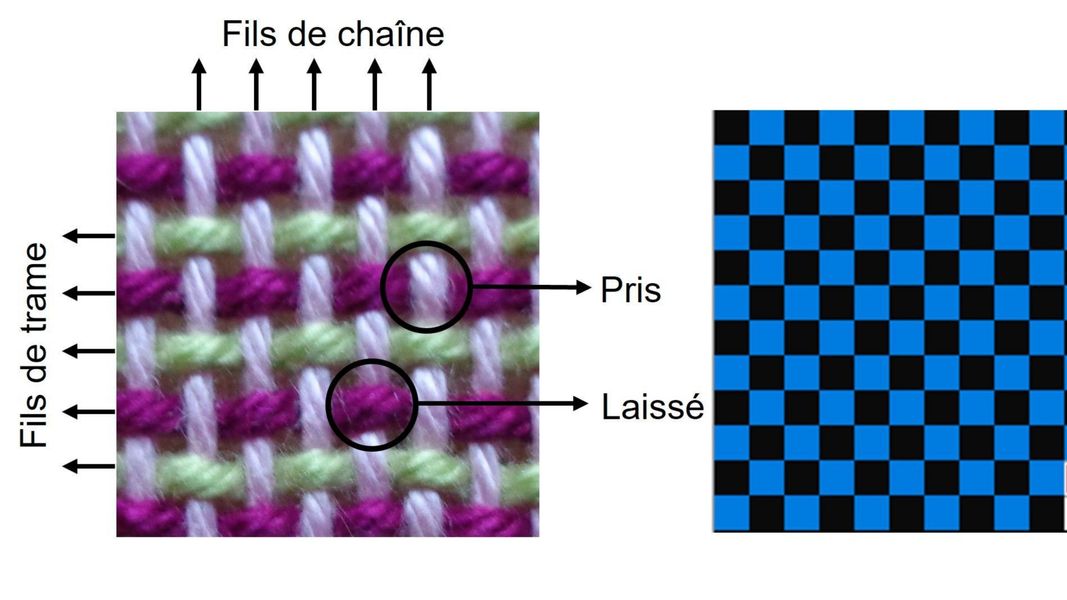
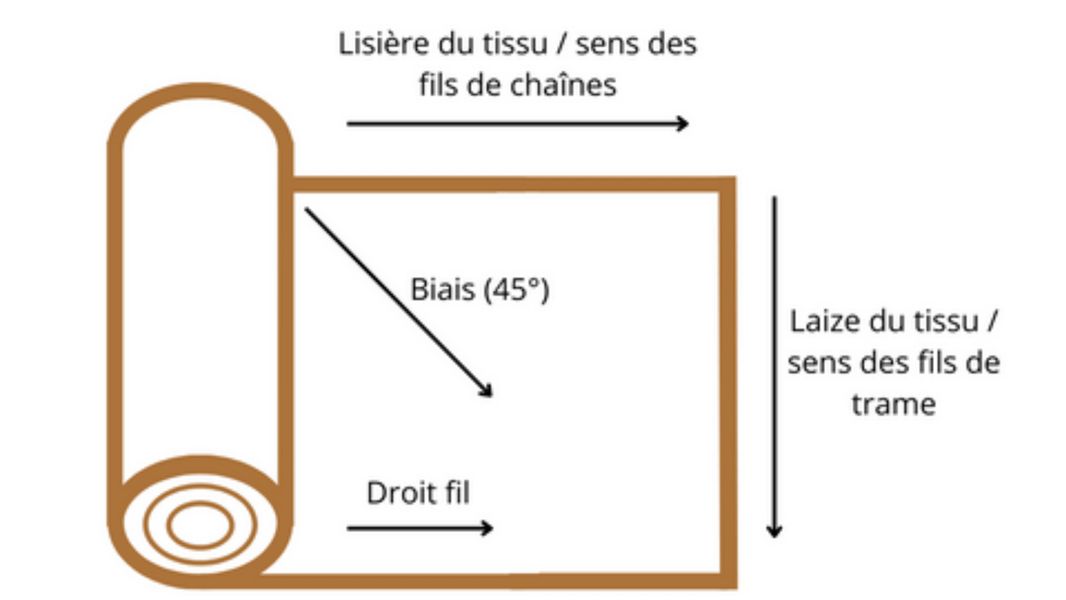
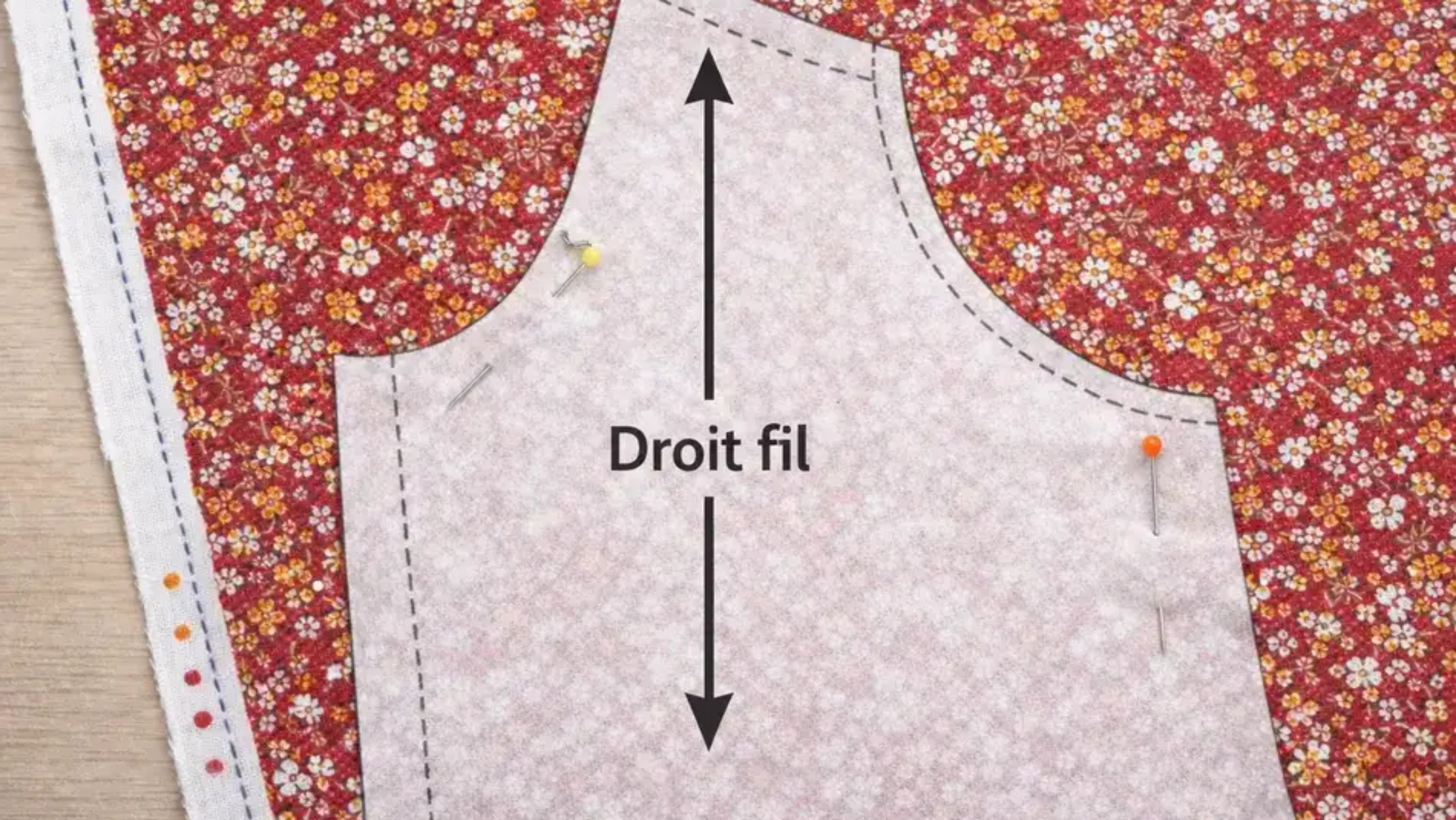
During its manufacture, a fabric with strands of wire that roughly forms a grid. The chain direction and the weft direction are superimposed. So far it's theoretical and not very talkative. But in reality it's going to have a huge impact on the tissue. .Straight wire
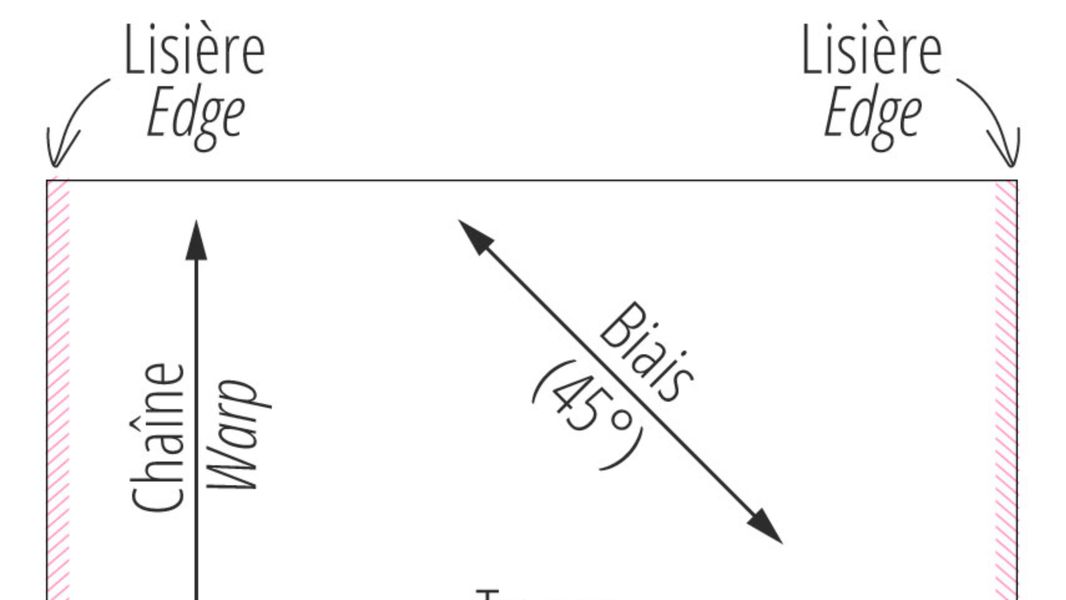
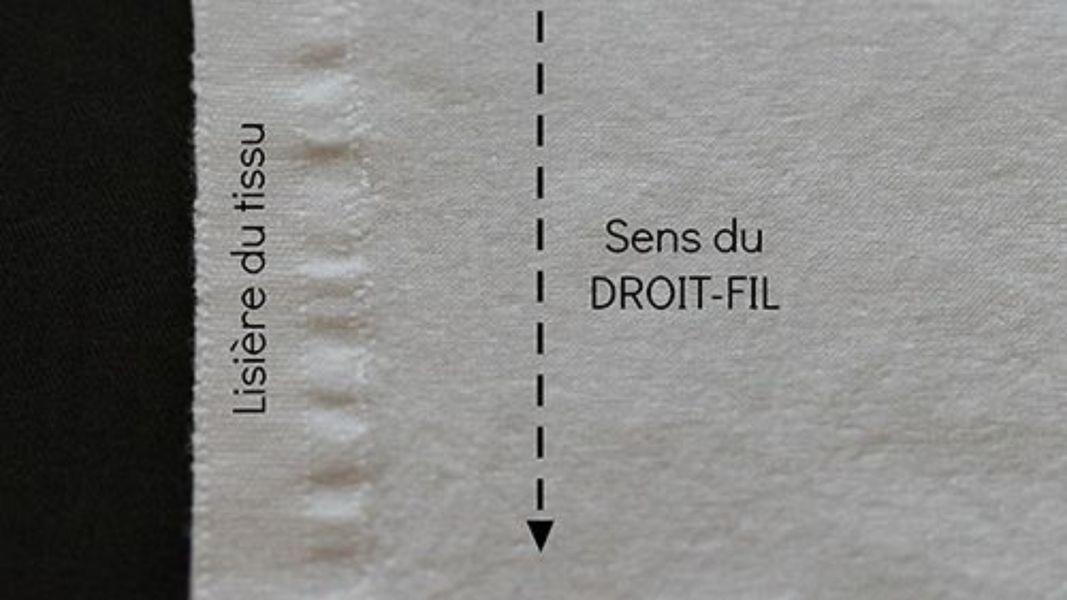
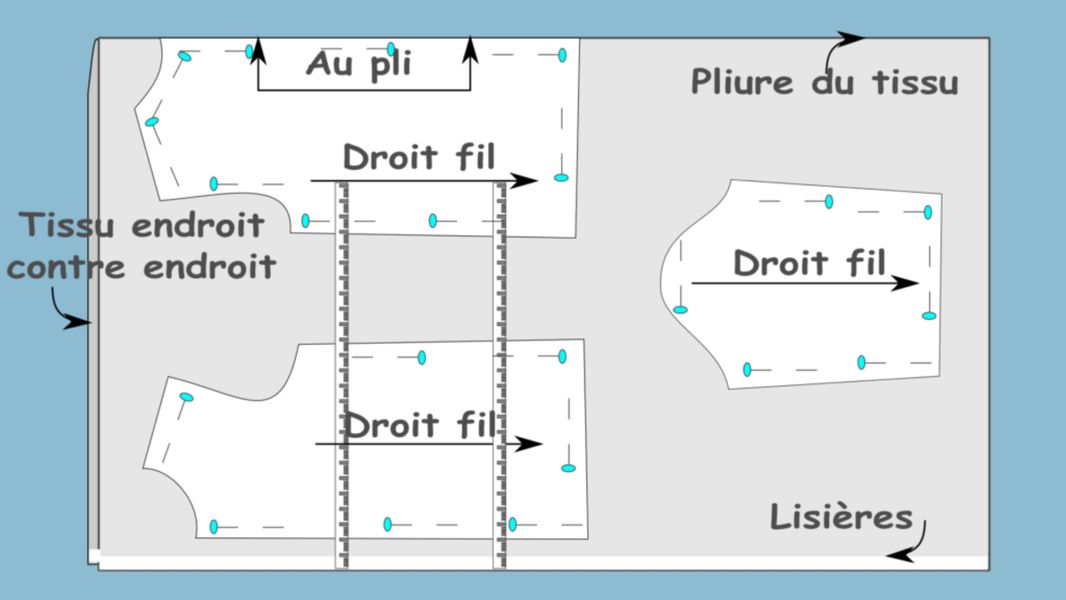
One then obtains a fabric with edges on each side which most of the time follows the straight thread. The thread is SUPER important in sewing. It is absolutely necessary (except in exceptional cases) to follow the thread. And then you ask yourself "but why follow the line?" Simply because if you cut in the direction of the weft, your fabric will deform over time. Indeed, as stated earlier, the meaning of weaving the fabric to an impact on its way of holding it. The thread (string sense) is solid, not stretchable on most fabrics and holds in time. While the weft sense is a little more stretchy, supple and with the weight of the garment, the fabric will deform with time and washing.Bias
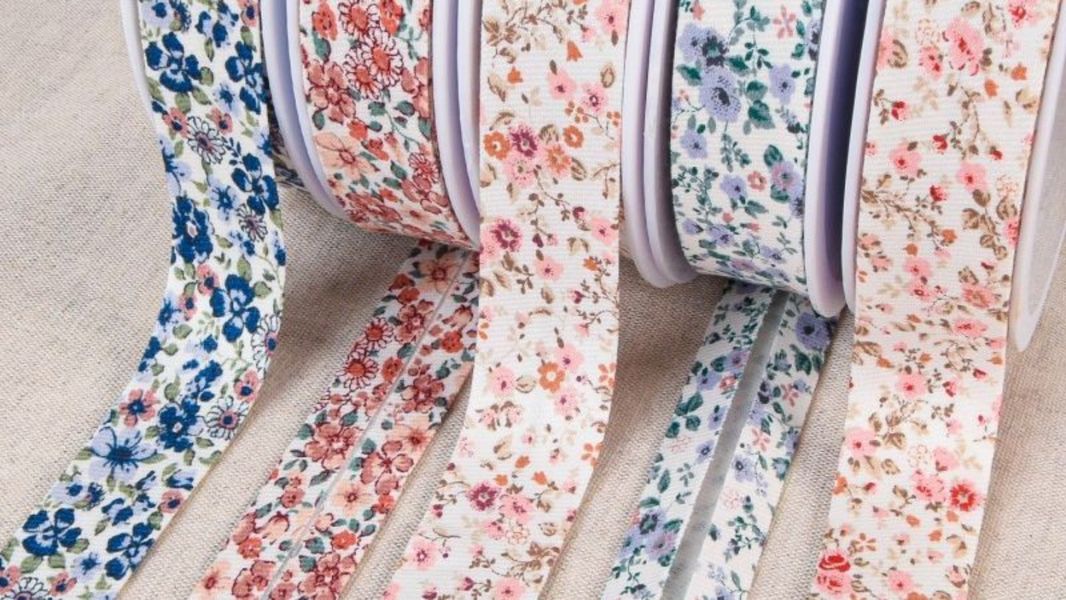
The bias is the vertical of the fabric. He's very extensible. Above all, it is not necessary to cut in the bias, even to save tissue (except in special cases). Nevertheless, bias still makes it possible to form strips of fabric that are also called bias. This is why we have beautiful border finishes, it is very flexible and malleable, very practical for clean finishes.Location and Envers
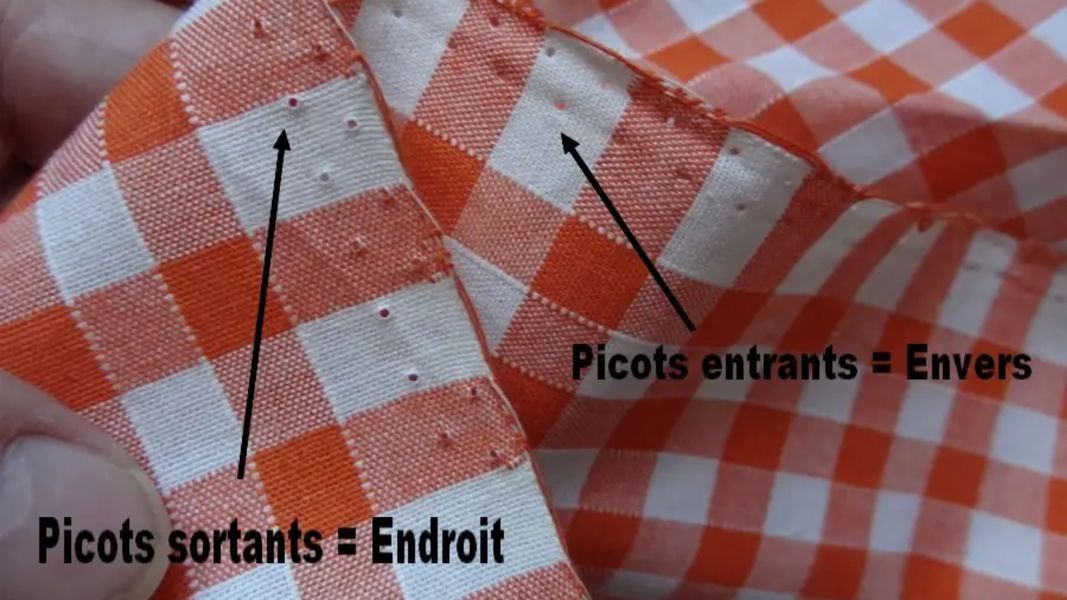
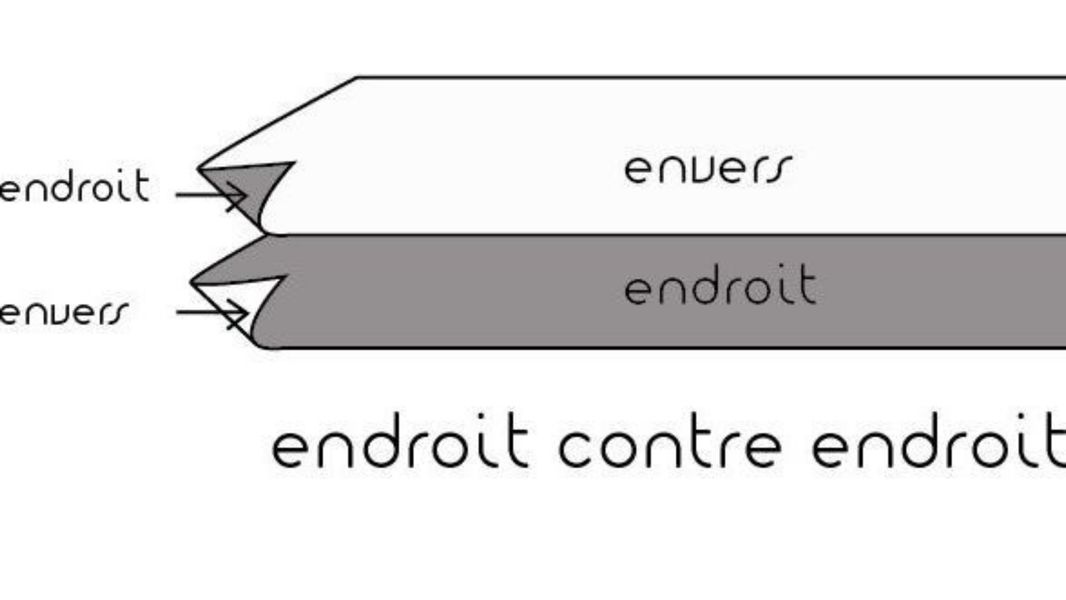
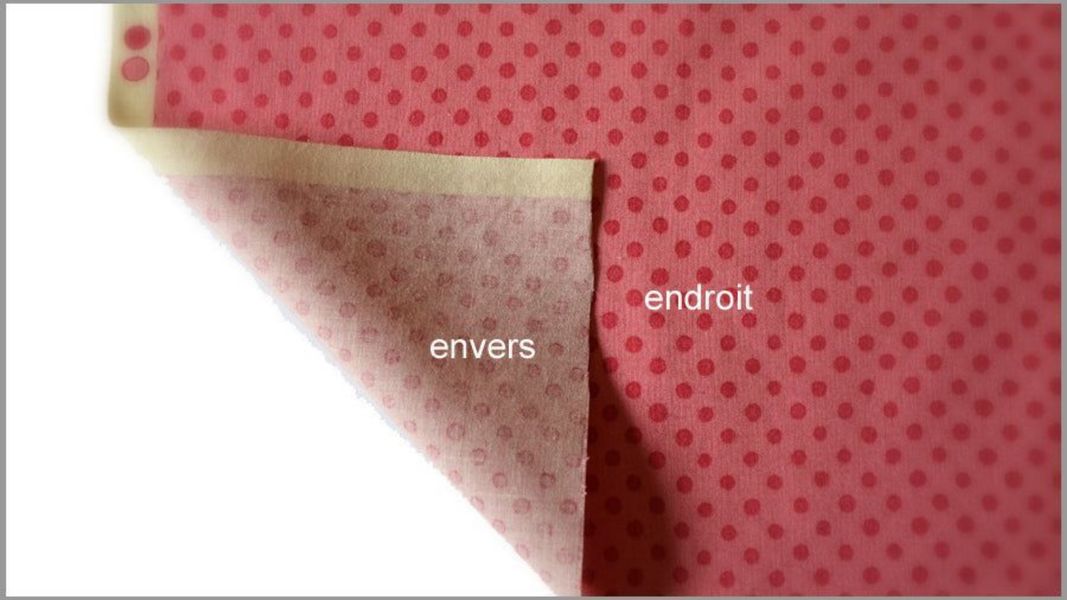
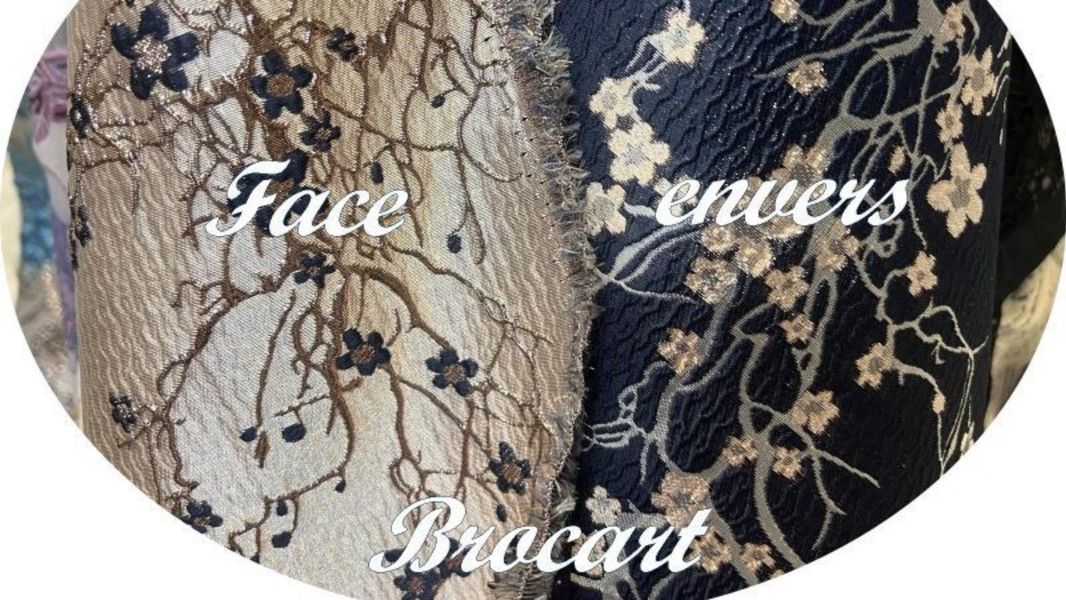
Knowing how to recognize its place and its towards is especially useful in the manufacture of clothes and accessories because over time the fabric gets damaged and tarnished. There is also a significant aspect. The reverse is very often much duller! (See 3rd photo) Most of the time recognize are place and its towards is very simple to recognize nothing in the appearance of the fabric but in its texture (e.g. satin and velvet) But sometimes recognizing the place and the upside down is much more complicated. This is why the edge technique is essential to know. (See 1st photo) The place has edge pimples coming out and upside down to the inbound pimples. What interests us is very often the place. Note: Honestly if you find the upside down prettier or otherwise... It's a garment/accessories that you wear like once or twice (or a little more), we don't really care, the goal is to love what you do! For clothing you have to be vigilant.Location towards special cases
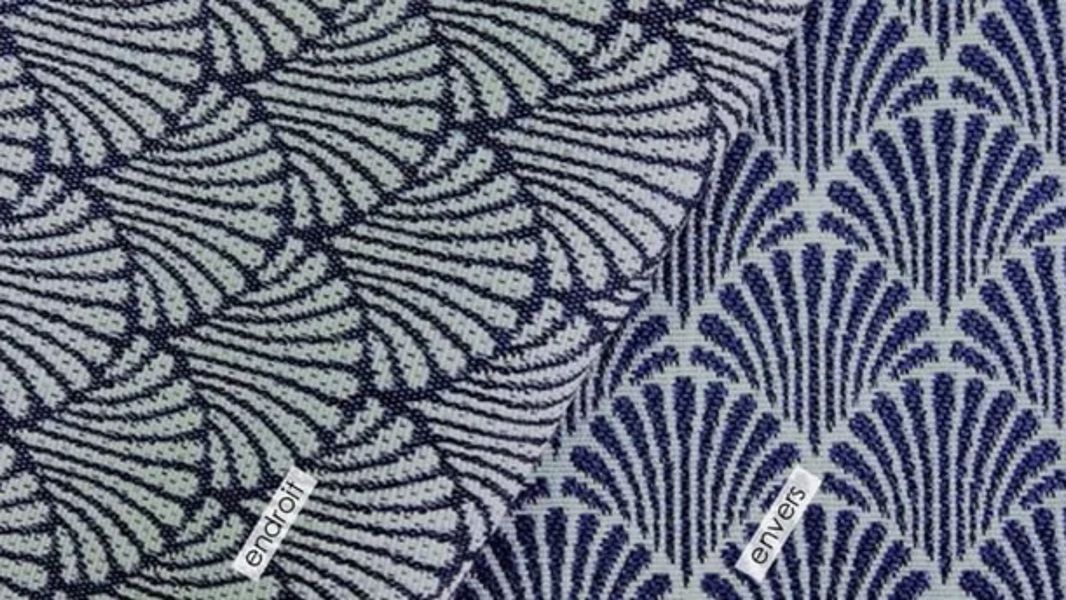
Sometimes you want to turn to jacquards and/or brocarts. Are woven fabrics in a certain way or beautiful patterns are in reliefs and often are double faces. It is important to recognize the place and the upside down to keep durability in your project (personal experience, I find that the upside down of its tissues is getting damaged faster). Note: after in the cosplay, we don't really care, as long as it's beautiful ... Personally, I like playing with textures with my cosplay and using places and towards fabrics is something I do often! Plus it saves tissue.Cut
Be careful, the sense of cutting in the fabric can impact the piece and result in a stripping of the piece. There are several techniques to limit snails: - gently manipulate the pieces and do not shake them in any direction (I do them...) - heat-paste the room - overlay the piece (with an overjeter or sewing machine/ maybe a tuto to come) - ectConclusion
Now you know a little more about the fabrics and you have the keys to master the cutting of your sewing parts! See you! United