Tissue encyclopedia
In this guide, I will explain the peculiarity of certain fabrics that we can use for our cosplay!
What you need
- *Sewing machine1
- *💶1
- *Needle1
- *Son1
Steps
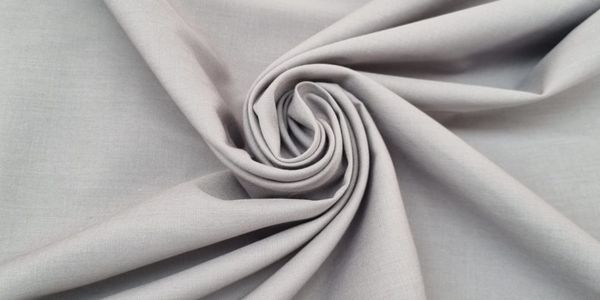
Cotton
Whether thin or thick, it is the easiest to use and one of the most affordable fabrics. It will not slide, will not stretch and folds will remain in place with an iron stroke which is perfect for hems. For beginners, I recommend cotton poplin because it is the easiest of all cotton. .Flax
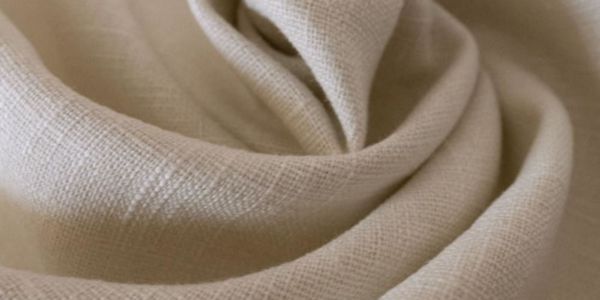
It is a fabric that is highly recommended for beginners! It will not slide, will not stretch and folds will remain in place with an iron stroke. It is very similar to cotton!Jersey
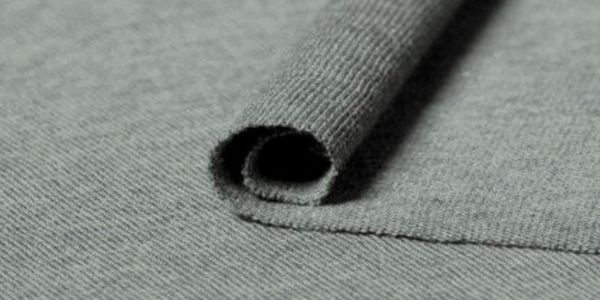
It is an extremely practical elastic fabric for making gloves or pantyhose. You have to be careful what Jersey you take, there's 2way and 4way. The 2way stretches in one direction and the 4way stretches horizontally and vertically. It is a fabric that I do not recommend to the beginner because it tends to roll. It's also a fabric I find good to overlay.Satin
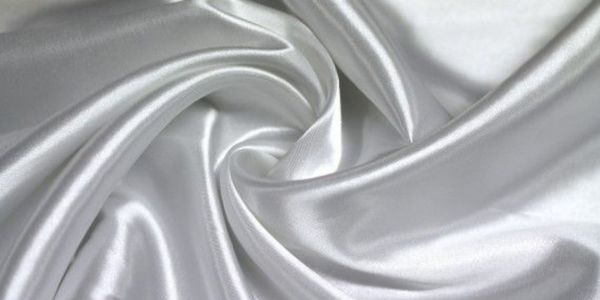
It is a very soft but also very slippery fabric. In my opinion, it is one of the hardest fabrics to sew because it slides too much. Nevertheless, it remains a fabric that chooses well, gives a noble and light side to the clothes. Besides, do you know that satin is not a fabric but rather a weaving? That's why there are several types of satin. (Coton, linen, wool, polyester,...)Silk
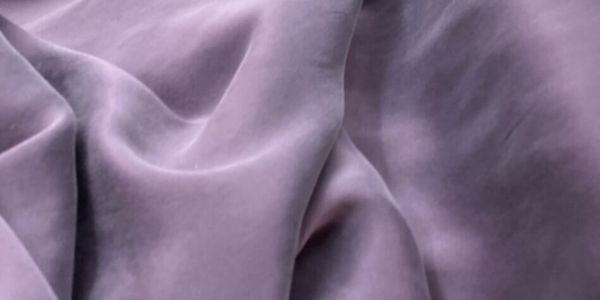
It is a much more noble and qualitative fabric than satin but finds it just as slippery. If you can afford it, I would advise you to go on silk but if this is your first time, practicing on satin can be a good idea.Velvet
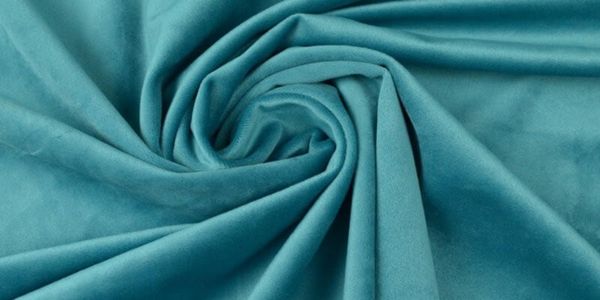
It is a soft fabric that has a beautiful rendering. I like to say he has a noble rendition. It is simpler than satin but it slips a little so you have to be careful. Without this, it's not a complicated fabric to sew. Maintenance is more delicate because it is a rather fragile fabric so cold and soft wash.Wool
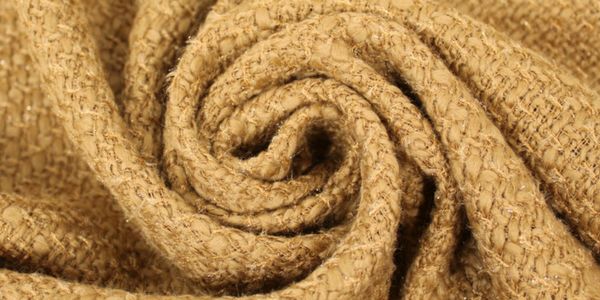
And yes, we can sew wool! In fact, it's a bit special and I strongly recommend that you inquire before you go into it. But if you're here, you want her information, right? I recommend taking specific needles and sewing with resistant yarn (for example polyester).Leather and Simili
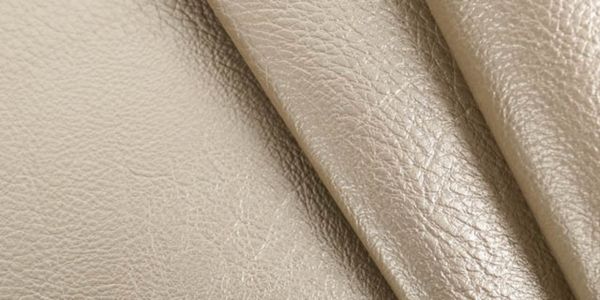
It is the most special fabric to sew because it is the most binding. Already, we can't pin the tissue or leave holes. We need to use pliers. Finally, hand stitching is strongly recommended using the saddle stitch but if you don't have time, a machine stitch works but will be less solid. The thickness of the leather plays a lot for the machine, the thicker it is, the less likely it is to go to the machine. Consideration should also be given to the use of specific needles, resistant wire and the use of a press foot or teflon foot.Plaid
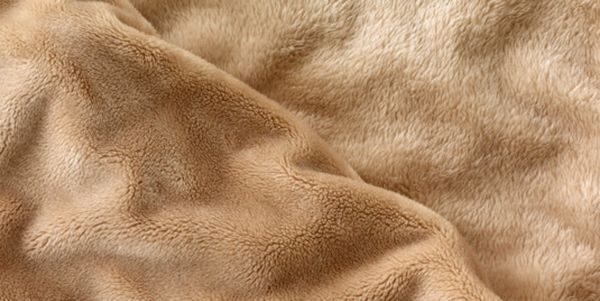
It is an extremely soft fabric but can quickly be annoying. It's a fabric that necessarily needs to overlay the bors otherwise we find ourselves invaded with moult. You don't have a superfilter or a super-jumper? No problem, a Zigzag stitch is enough. Moreover, after sewn with fabrics, a machine cleaning is mandatory because the plush quickly crashes the sewing machine.Fur
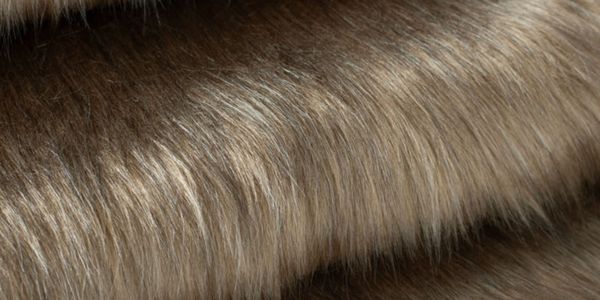
It is a tissue that will be used more often for accessories but it is good to talk about it here. It's a fabric that doesn't cut with scissors. Cut it upside down at the cutter to avoid cutting hair from the fork. It is also a fabric whose hairs are going to fit in the seam and the seam, we arm ourselves with a needle and patience and we pull out all the hairs.