With what to trace on the fabric?
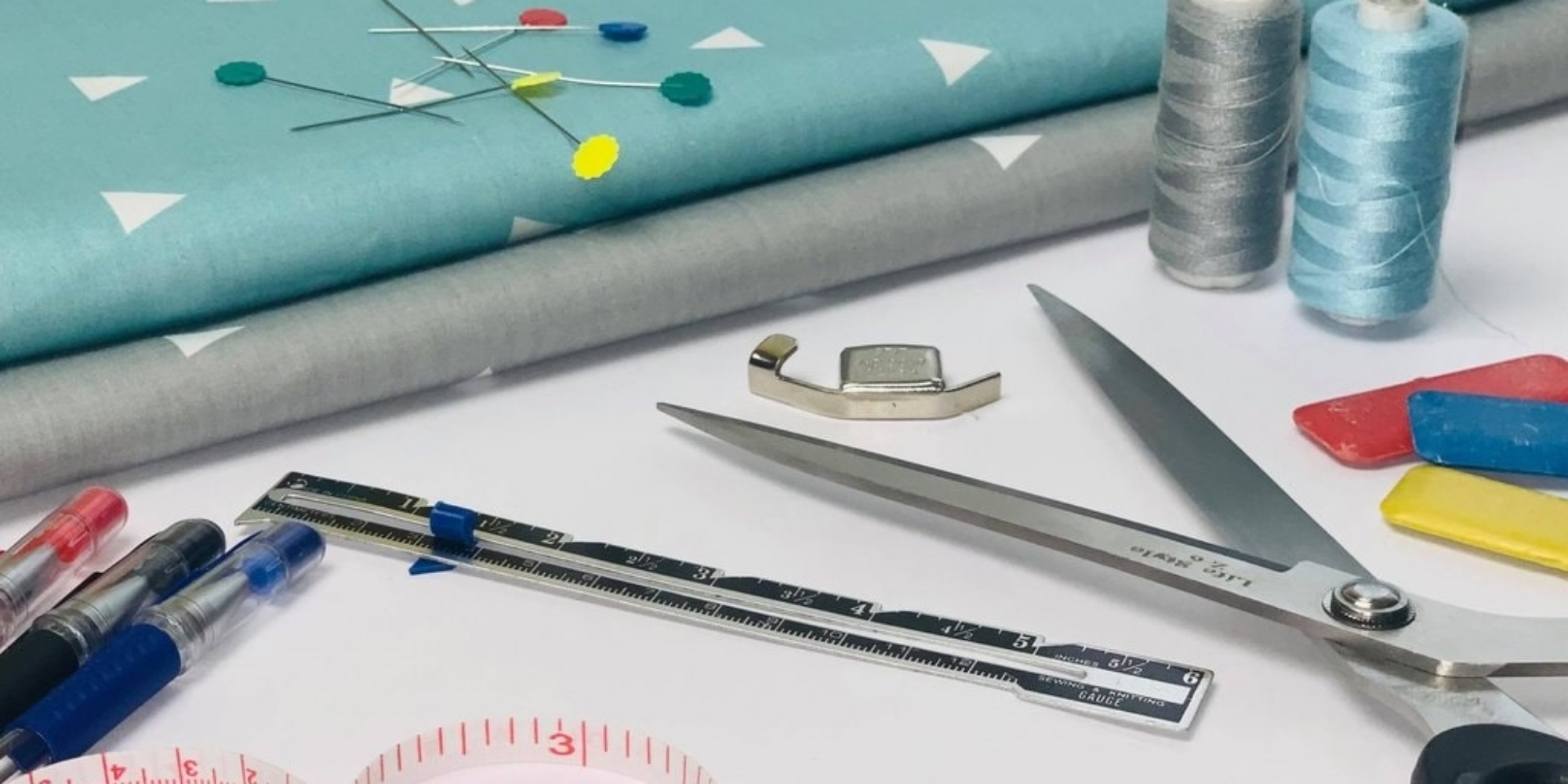
The material to trace on the fabric can be neglected but it is important! Just as we choose the best fabric, we must intelligently choose our tracking equipment. So that's what we're going to see today!
Steps
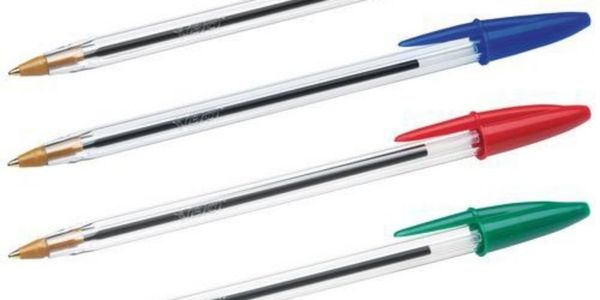
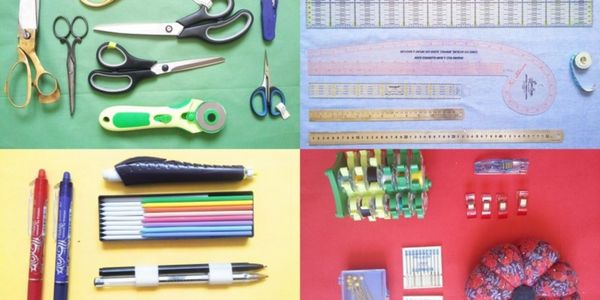
Ballpoint pen
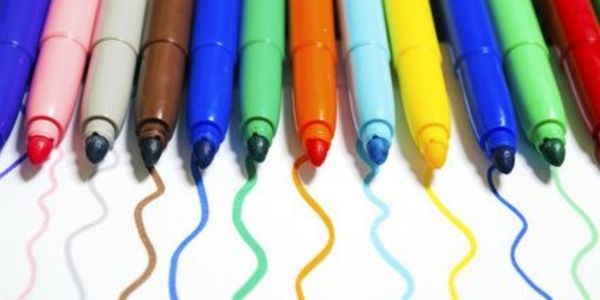
Classic but tempting. The ballpoint pen, inexpensive and very practical with many advantages, especially that it tracks on almost all the tissues, but it can task the fabric and spread to the first washing... So well but pay attention.Felt
Exactly like the ballpoint pen. Beware of the tasks, in addition it will be more likely to drool and pass on the other side of the fabric (the place).Friction pen
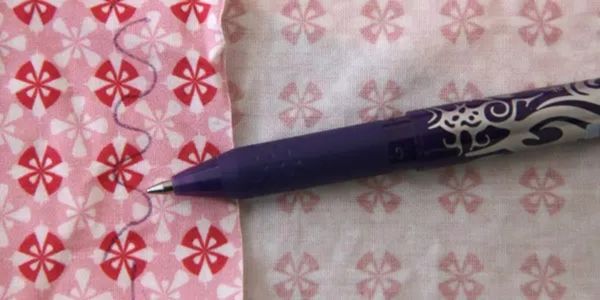
The famous friction pen that everyone wants or wanted at school... Well in sewing it is very appreciated for one of its principles! Indeed, friction pens fade away in heat! That is, once the fabric is sewn, it is enough to iron it and the pen fades. Really it's extremely convenient for renable fabrics and it washes very well at the washing machine. Be careful alone flat, sometimes on plain cottonnades and some fabrics, there may remain white traces after having returned where there was the line. Take a test first.Erasable felt
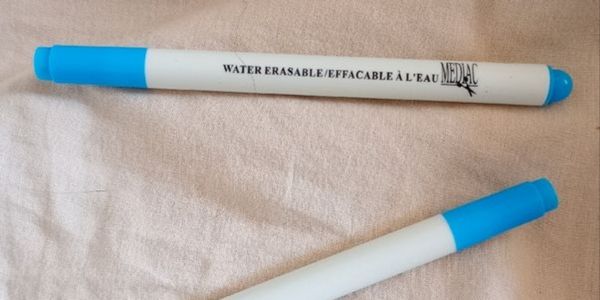
There are special seam felts that can be erased by water or even erased by themselves after a few hours in the open air. The principle is very cool but be careful, they tend to dry if you use it too or not often enough. In any case, very practical and leaves no trace! They are sometimes found in mercery or fabric stores.Cutter chalk
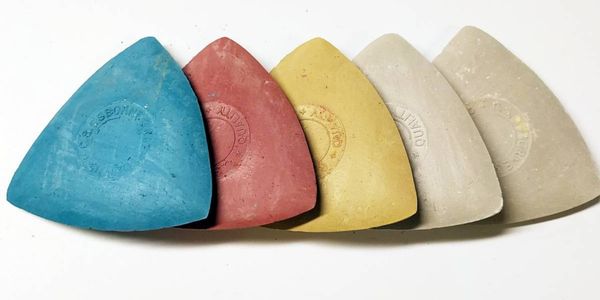
Personally, I was very reluctant to use it but the tailor chalk to change the way to sew! Practical, fine and precise. This chalk, unlike table chalks, is made to hold a fabric of course enough and helps to have a clean pattern. There are several formats but the great classic remains the triangular cake. There is a good range of different prices and quality but you can have them for cheap at the store or online. In addition, it washes extremely well and does not damage the fabric. She still has some disadvantages... It remains a chalk and it is brittle, dusty and tends not to like wet places which makes it friable.The chalk criterium
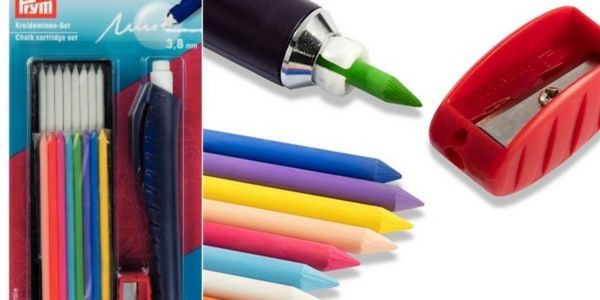
A clever mix of a pen and a tailor chalk. Quite expensive, but...Pencil
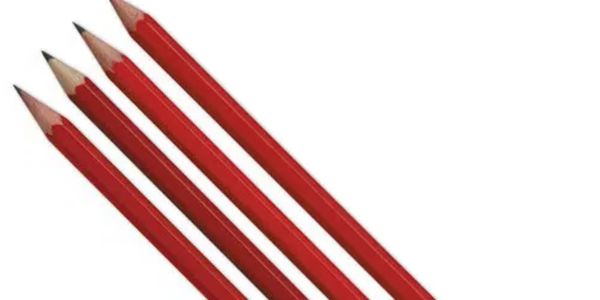
Paper pencils (grey pencils) or color pencils... False good idea. Not as tempting as ball pens but can try... It's good if it's for something that won't show up.Employers
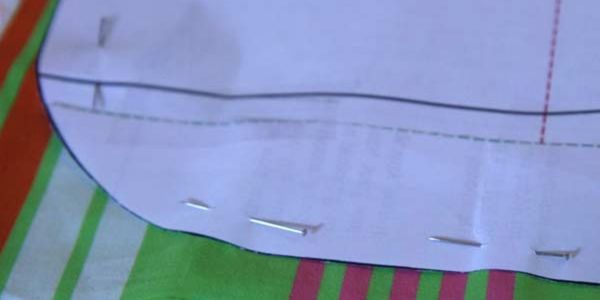
Some people (in case you use a pattern) come directly pin the pattern to the fabric (or put weights) and come cut directly around the pattern. This is very advantageous at the time level because it removes all the difficult stage of the route. Nevertheless, it is very risky. To try after having done this hand in the field of sewing.Projectors
I have seen little in the field of Cosplay and more in the field of pure and hard sewing, but there is a technique where one comes directly projecting (with a video projector) the desired pattern or pattern. It takes a lot of patience for setting up, setting up, ect. Nevertheless, it remains very convenient to return the plot but also the assembly and preparation of the boss. It's still expensive and it takes a nice space to put this in place. But it's very stylish.Bonus
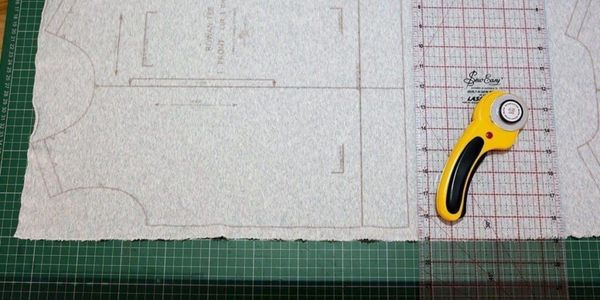
Remember to iron your fabric before tracing! It will avoid many troubles of moving fabric, not straight and it will also prevent your sewing from being all twisted. In addition, do not hesitate to use material such as a ribbon, a classic rule or patchwork, square, ect. You will eventually realize that sewing is neither more nor less than a matter of full-size math.In summary
The time you spend preparing and tracing on the fabric is not lost! It will allow to have beautiful finishes and a durable sewn element. Do not hesitate to combine techniques if necessary! Choose what is most suitable but also what it suits you best according to your abilities and your budget. Good luck to all of you! United